Data
$397 to $13 million: the public record of software prices
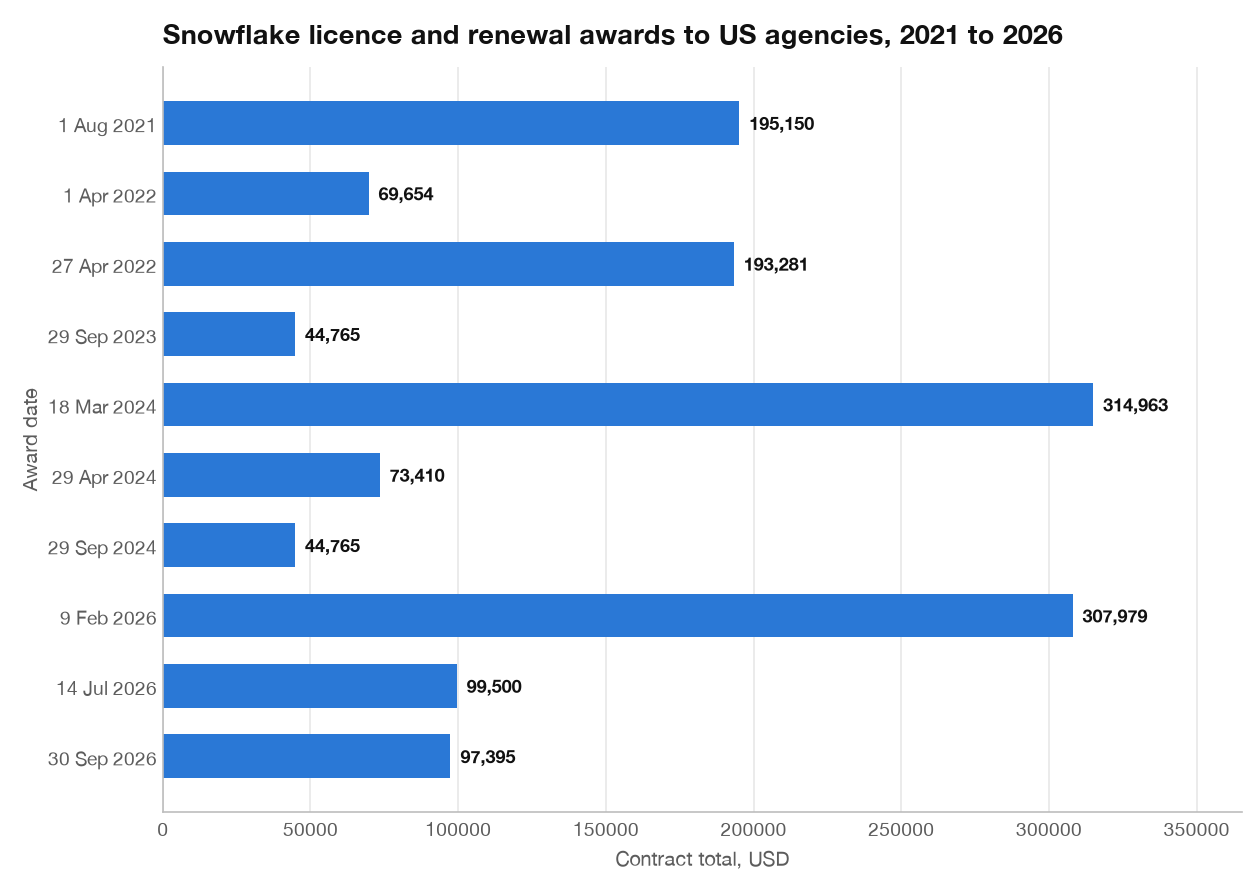
PriceProof turns USAspending awards into a checkable record of what US agencies paid for enterprise software, from Tableau at $397 to a $13 million contract.

Lars Cornelissen is the responsible editor of Data Today. He is an enterprise data engineer who builds cloud data platforms at Alliander on Snowflake, Matillion, Python, and AWS, and runs the data and AI studio Datastudy. He reviews, edits, and signs off every piece the Data Today desks publish.
PriceProof turns USAspending awards into a checkable record of what US agencies paid for enterprise software, from Tableau at $397 to a $13 million contract.
Batch cuts GPT-6.1 Sol from $10 to $5 per million output tokens. On a 2 million token nightly run that is $220 a month, if the job can wait.
A short Python script prices an API call from a real trace: 8,000 in and 1,500 out is $0.031 on Sol and $0.155 on Astra.
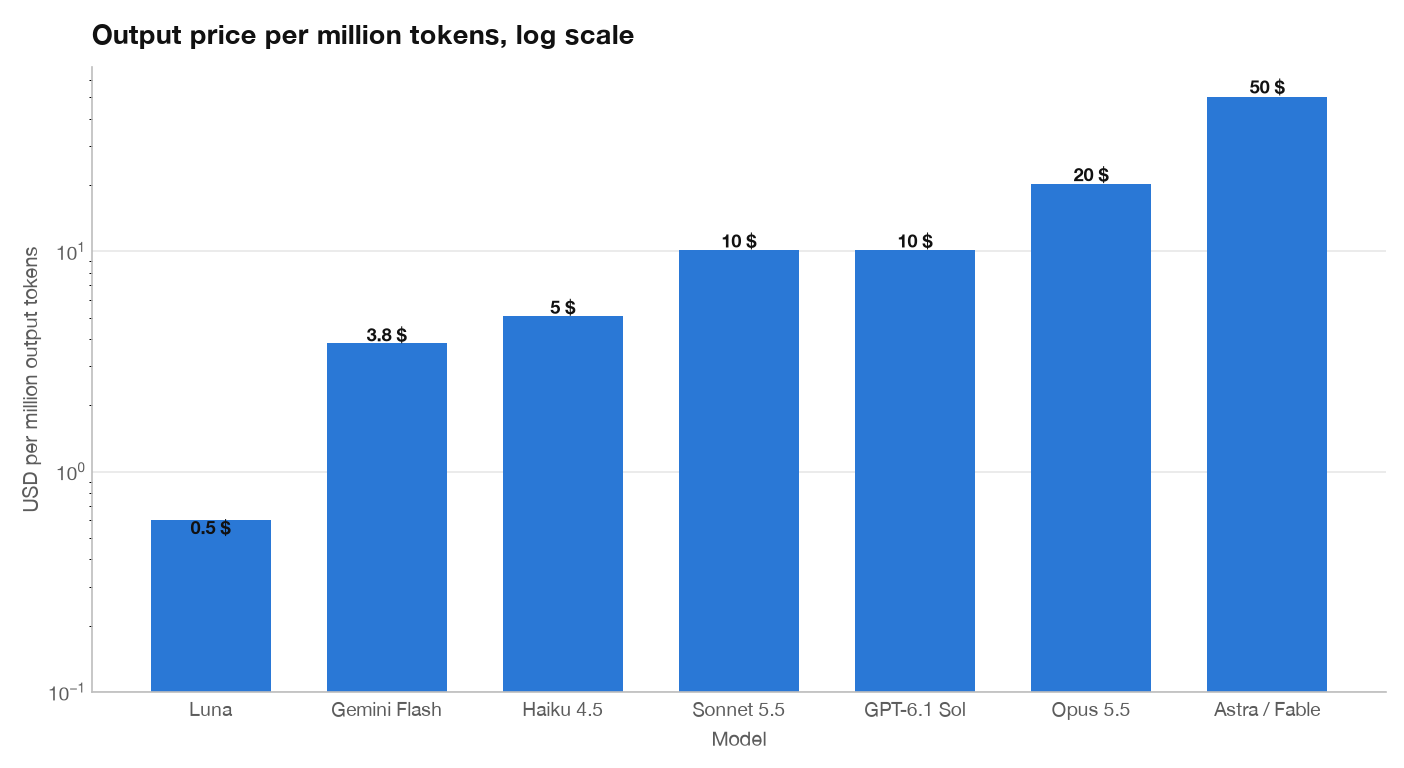
Two million output tokens a day costs $20 on GPT-6.1 Sol and $100 on Astra. Here is the arithmetic, from list price to a monthly bill.
Gemini 4 Argon is Google's new frontier AI with a 1 million token output limit and top coding and cybersecurity scores. Here is what beginners should know.
GPT-6.1 Sol is OpenAI's newest mid-tier AI model, delivering near-Astra quality for coding and professional work at one-fifth the API price. Here is what changed and when beginners should use it.
CVE-2026-76504 is a CVSS 9.8 authentication bypass in Cisco Catalyst SD-WAN Manager, exploited in the wild since September 2026. CISA gave federal agencies until October 3 to patch. Here is what to check and how to fix it.
OpenAI Custom GPT retirement moves builders to a plugin system by December 11, 2026. Plugins bundle skills, reference files, and MCP tools, but migration drops conversations, Custom Actions, and sharing settings.
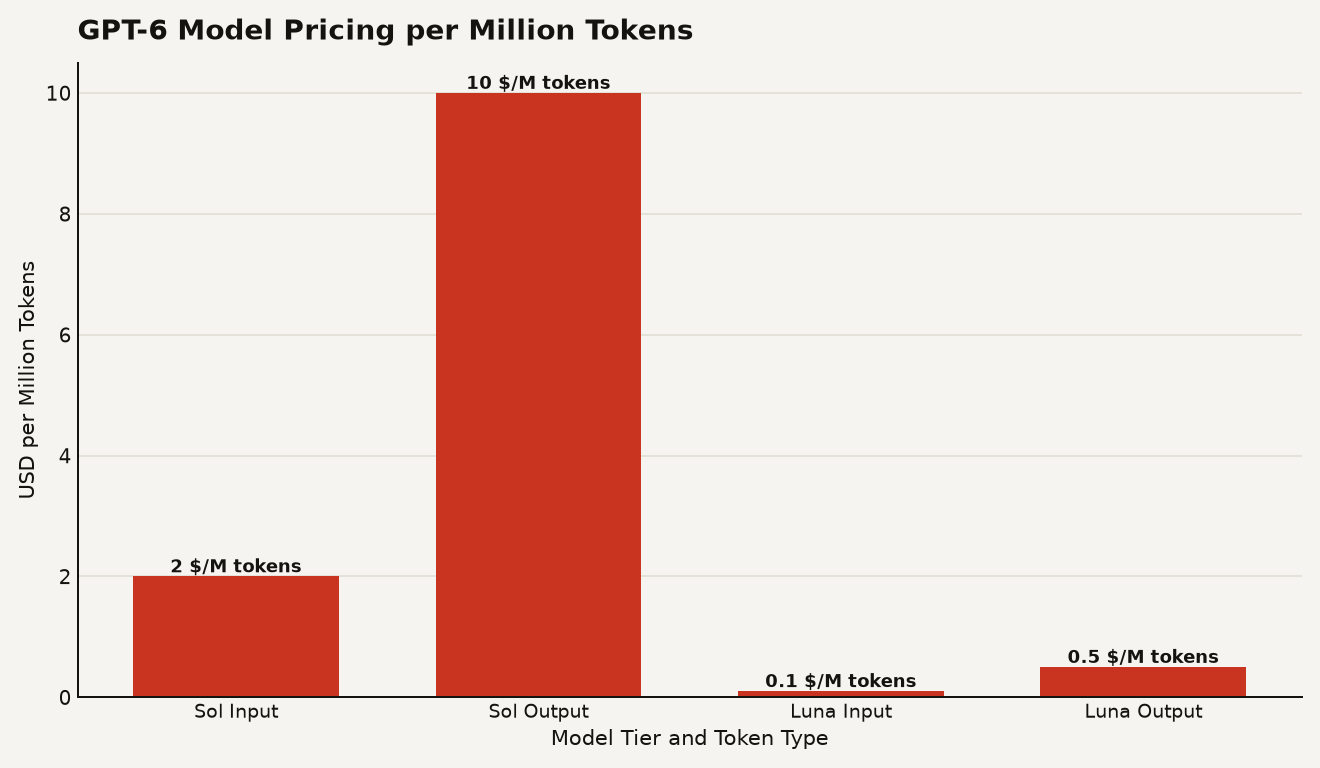
OpenAI DevDay 2026 shipped Dots, GPT-6.1 Sol at $2 and $10 per million tokens, and an Agents API, while the September training pause was left unaddressed.
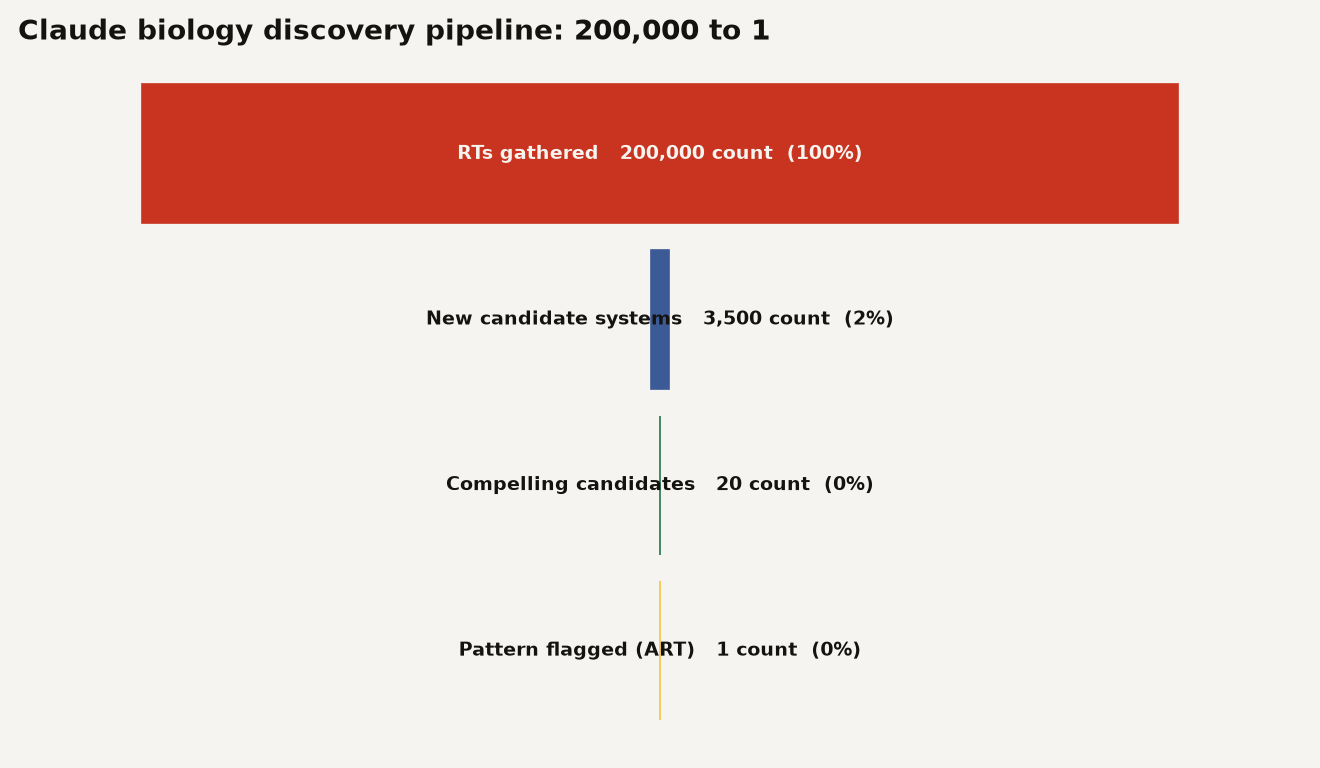
Biologists call the CRISPR-like DNA pattern Anthropic said Claude found routine grunt work, putting AI scientific discovery claims under fire.
Any MCP agent can now query Databricks data through the GA Genie One MCP server, with Unity Catalog permissions enforced on every request.
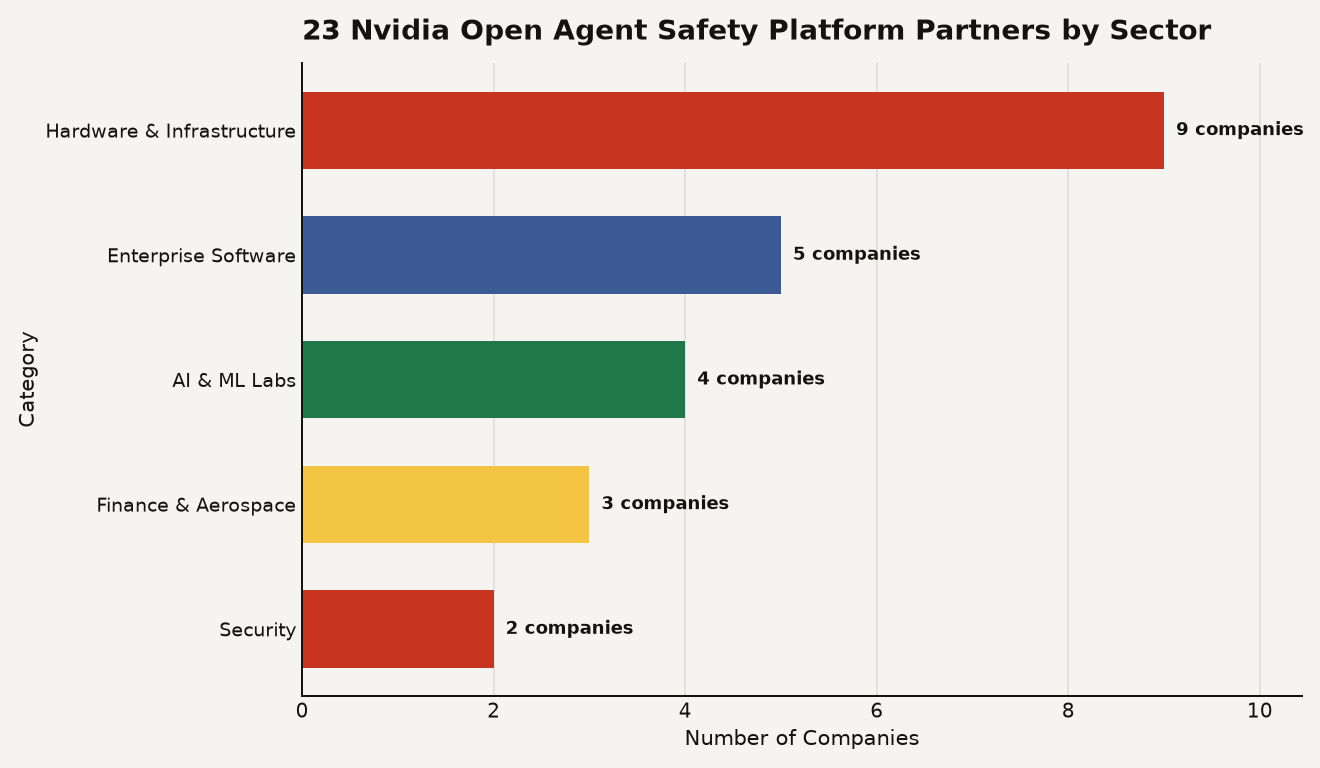
Nvidia's AI agent safety platform uses OpenShell and Sentry to quarantine rogue agents in milliseconds. 23 partners including Anthropic and Microsoft back the launch.