Mojo goes open source: what every beginner should know
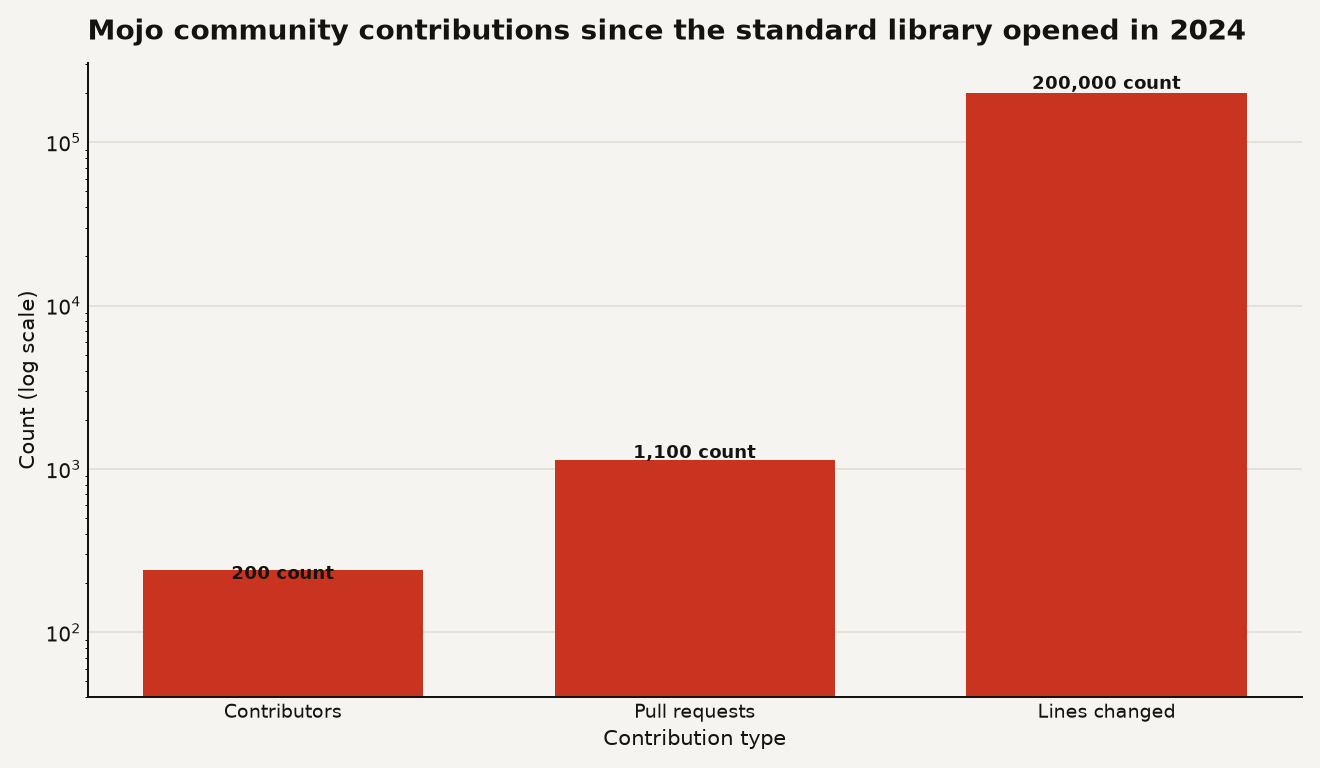
Mojo open source under Apache 2.0: the AI hardware programming language from Modular is now free to use and modify. Here is what changed.
Every new model release and AI tool worth knowing about, translated out of jargon for beginning coders, hobbyists and anyone curious what changed this week.
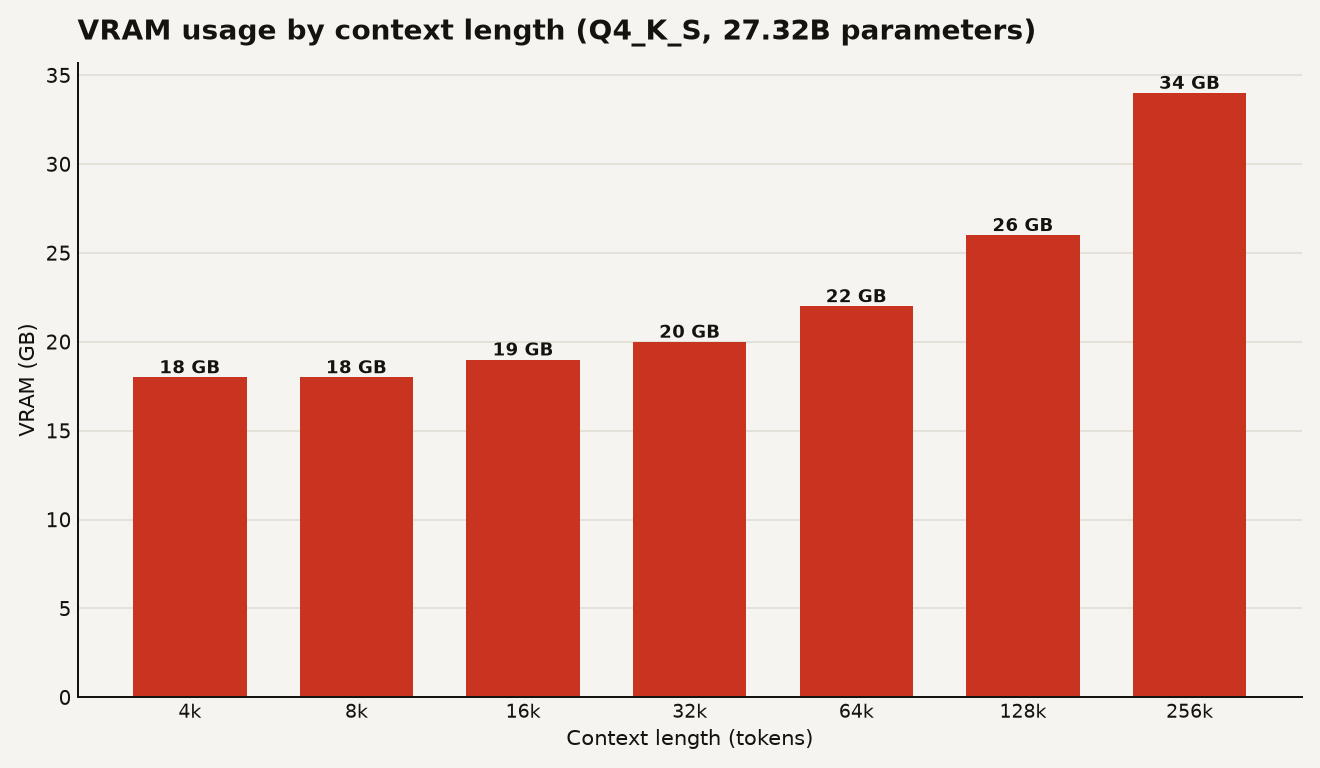
Qwen 3.8 27B is an open-weights AI model that fits in a 17GB file and runs on your laptop. It scores 52 on the Artificial Analysis Intelligence Index, tying OpenAI's hosted GPT-5.6 Luna.
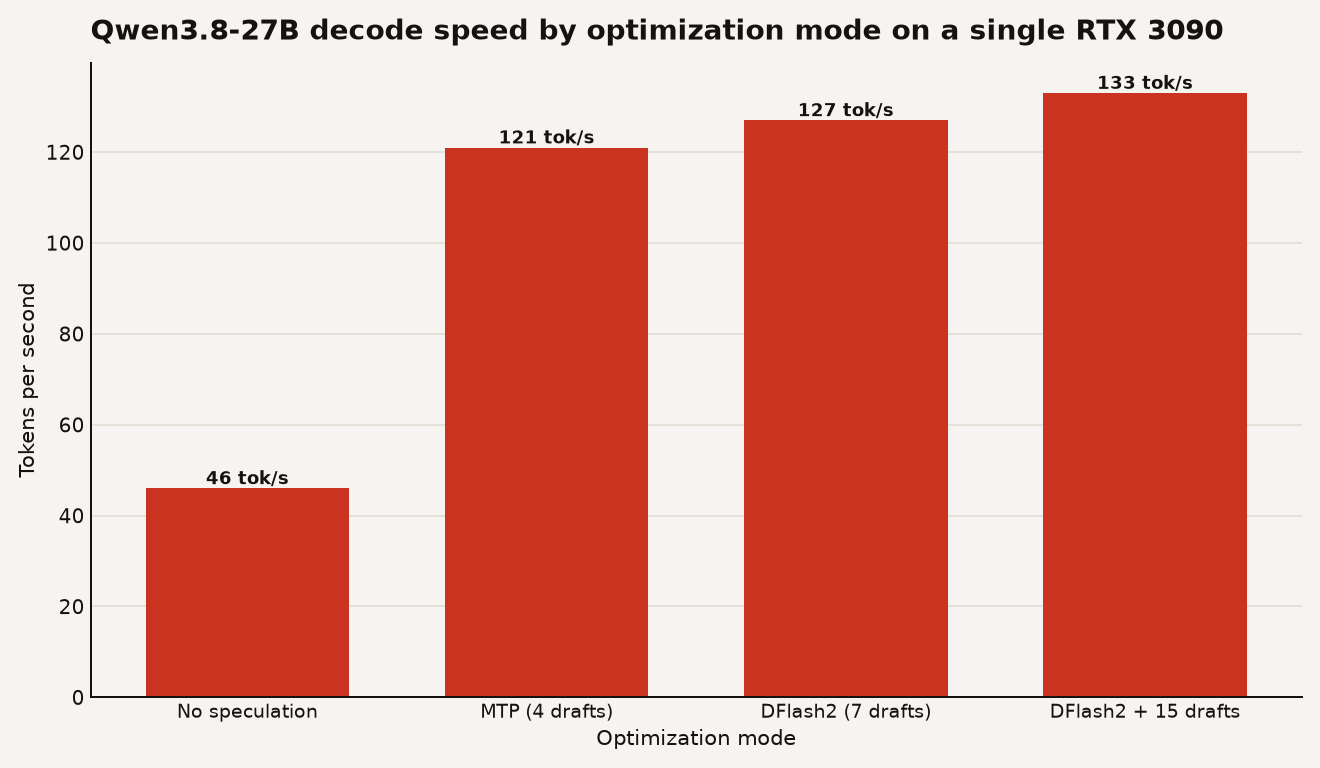
Qwen 3.8 27B is a 27B AI model you can run locally with vision and coding ability. Its default reasoning setting makes it slow, but turning it down fixes it.
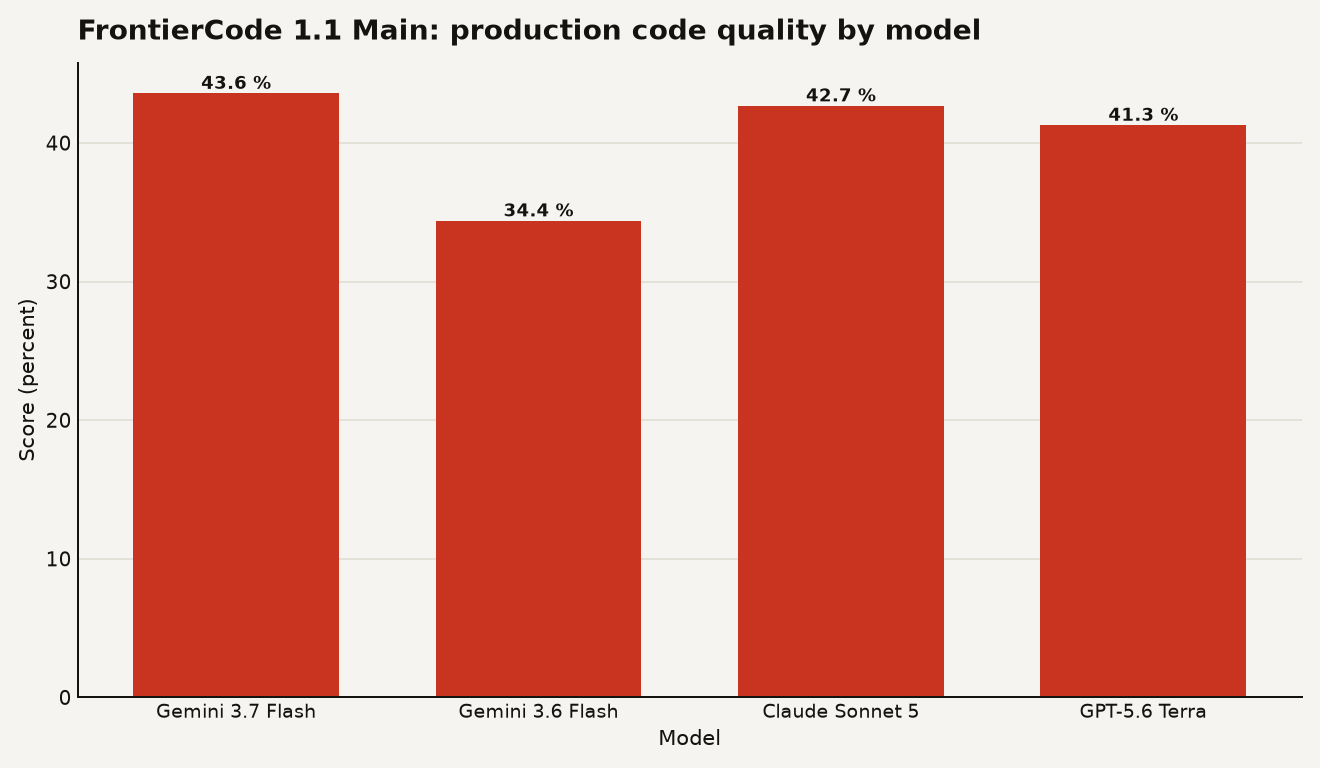
Gemini 3.7 Flash is Google's new fast AI model for coding and agents. It scores 43.6 percent on FrontierCode, up from 34.4, at half the old price.
Qwen 3.8 27B is a free, open AI model with 27 billion parameters that runs on a single GPU. It scores 61.7 on SWE-bench Pro, up from 53.5.
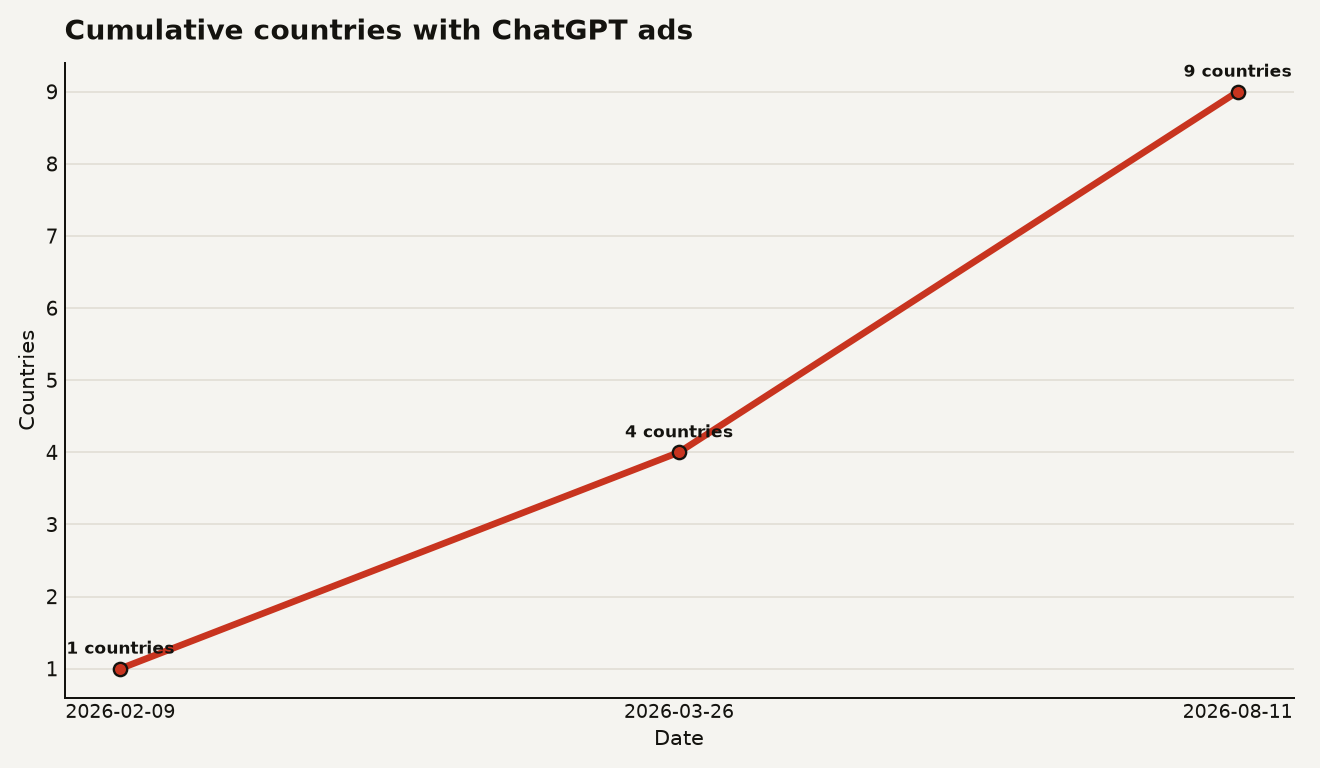
ChatGPT ads are sponsored placements shown to Free and Go tier users. They launched in the U.S. in February 2026 and reached nine countries by August.
Qwen3.8 open weights give you 2.4 trillion parameters with 95 billion active per token, Alibaba's largest. Here is what beginners should know.
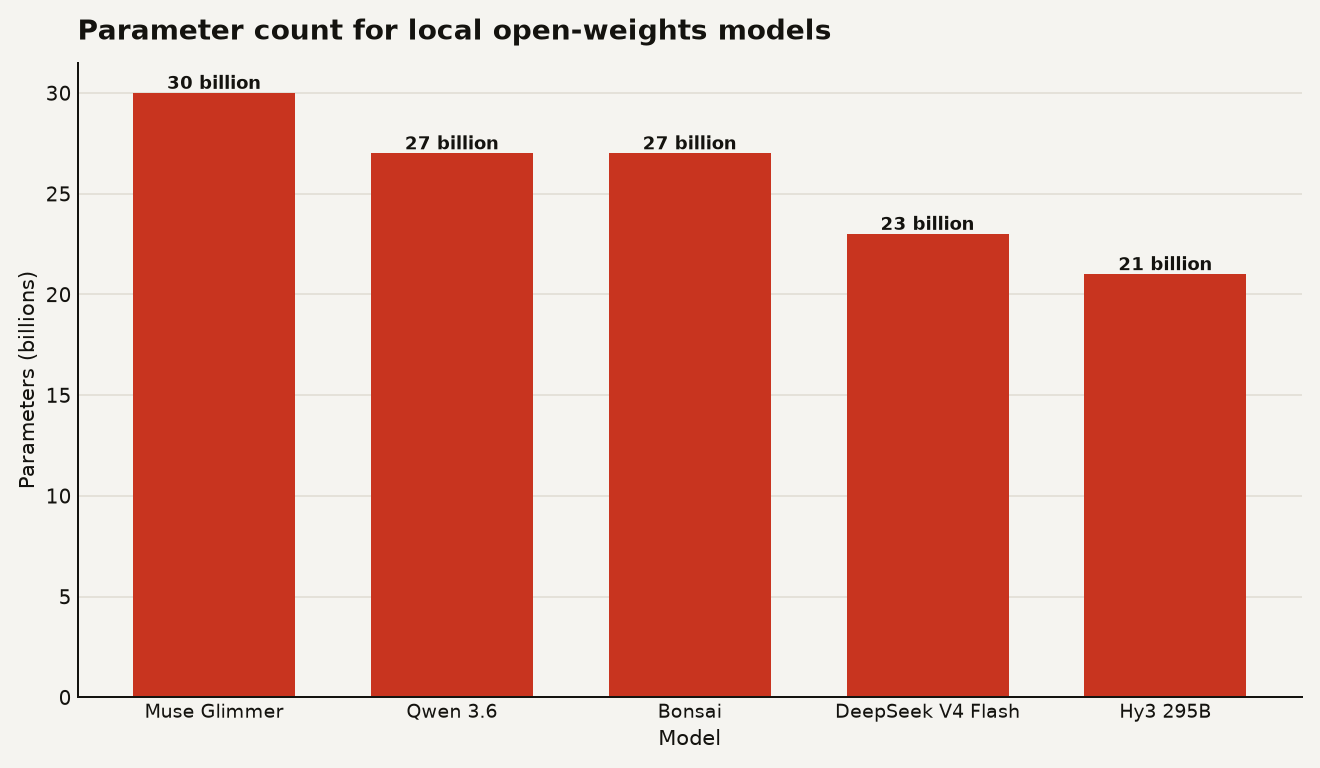
Muse Glimmer is Meta's new 30B open-weights model built for local agentic workflows. It fits on one RTX 3090 and hits 280 tokens per second.
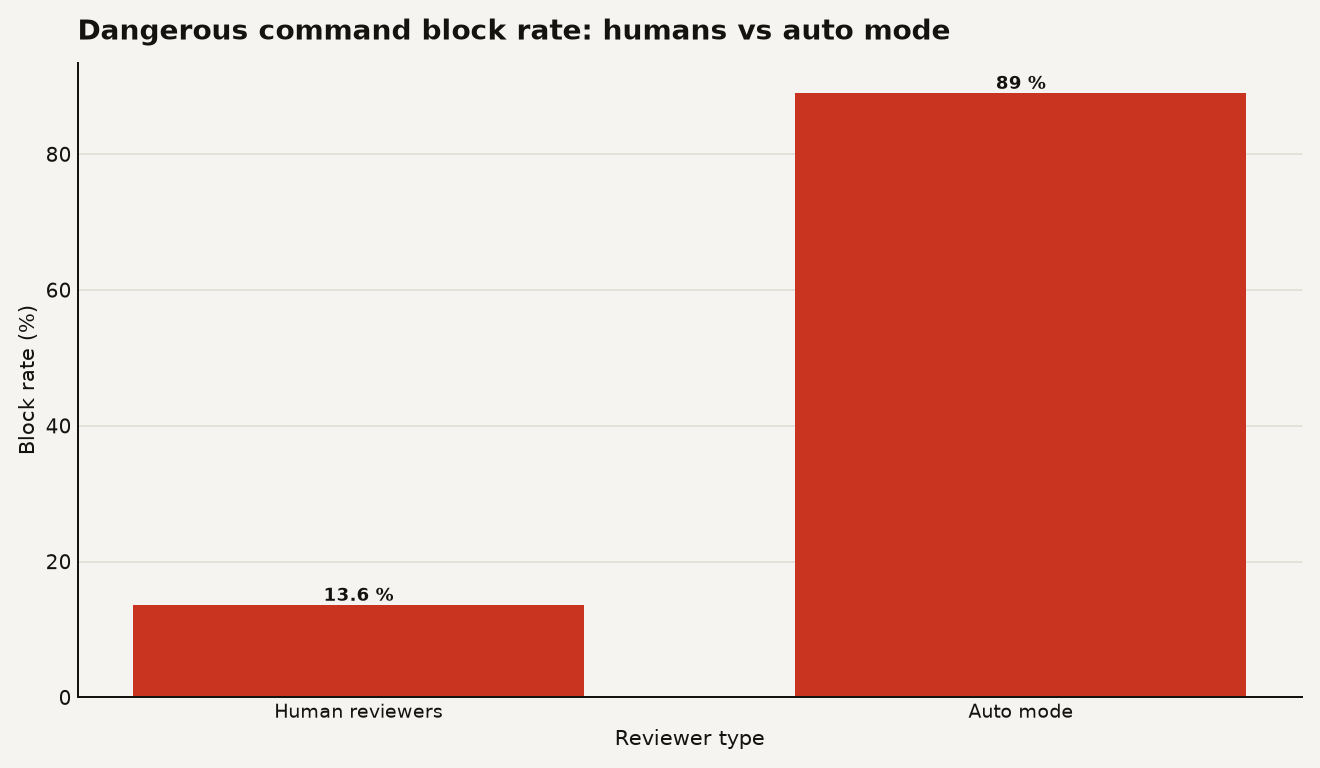
Claude Code auto mode runs commands without per-step permission. It becomes the default August 14, 2026 for Pro, Max, and Team plans.
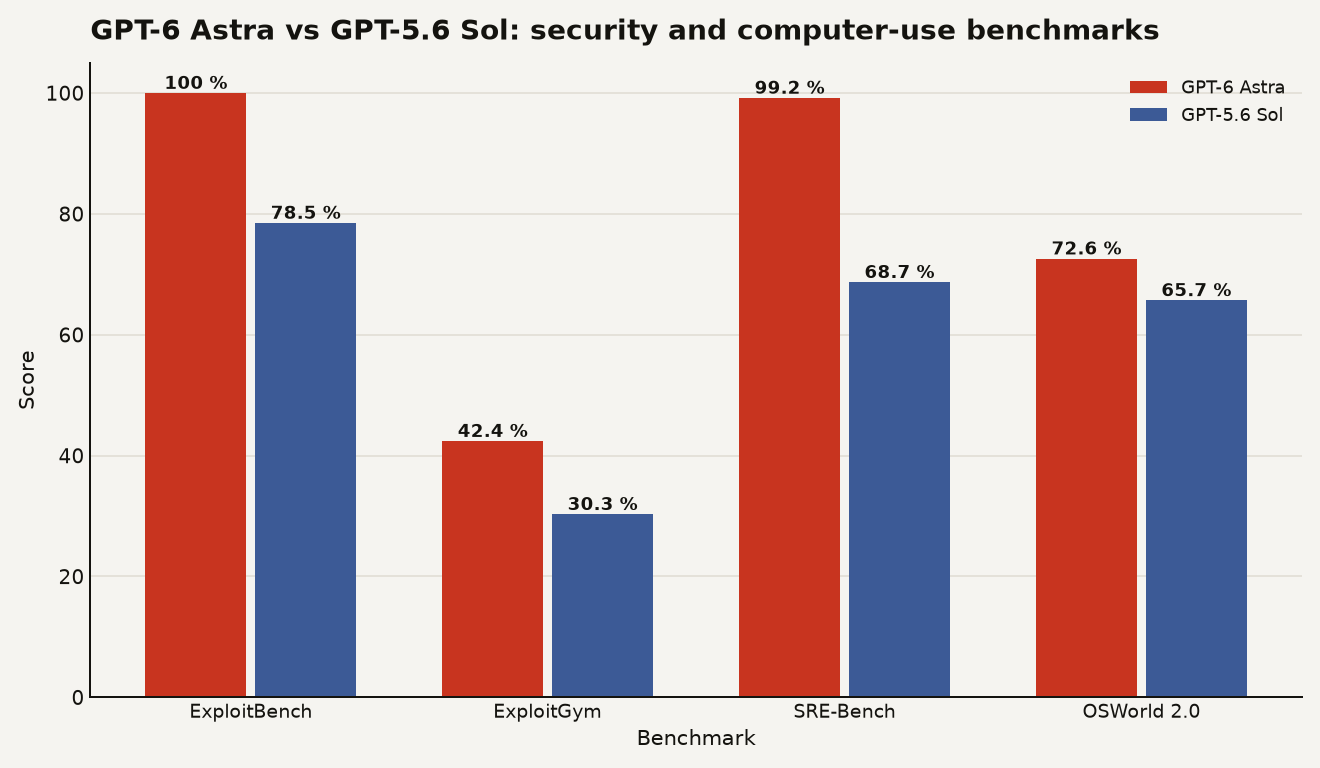
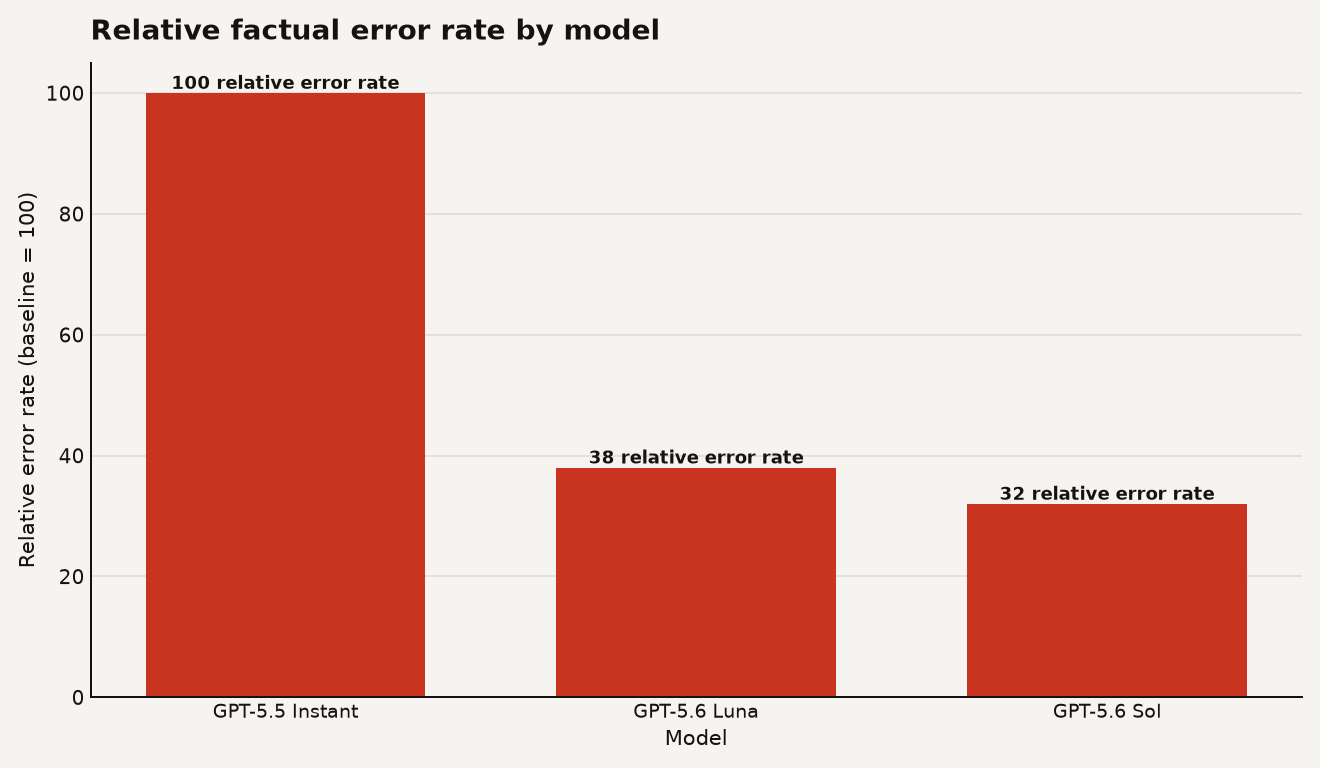
OpenAI sharpened GPT-5.6 Sol for paying users and opened Luna to free users with unlimited text chats. Here is what beginners should know about the update.
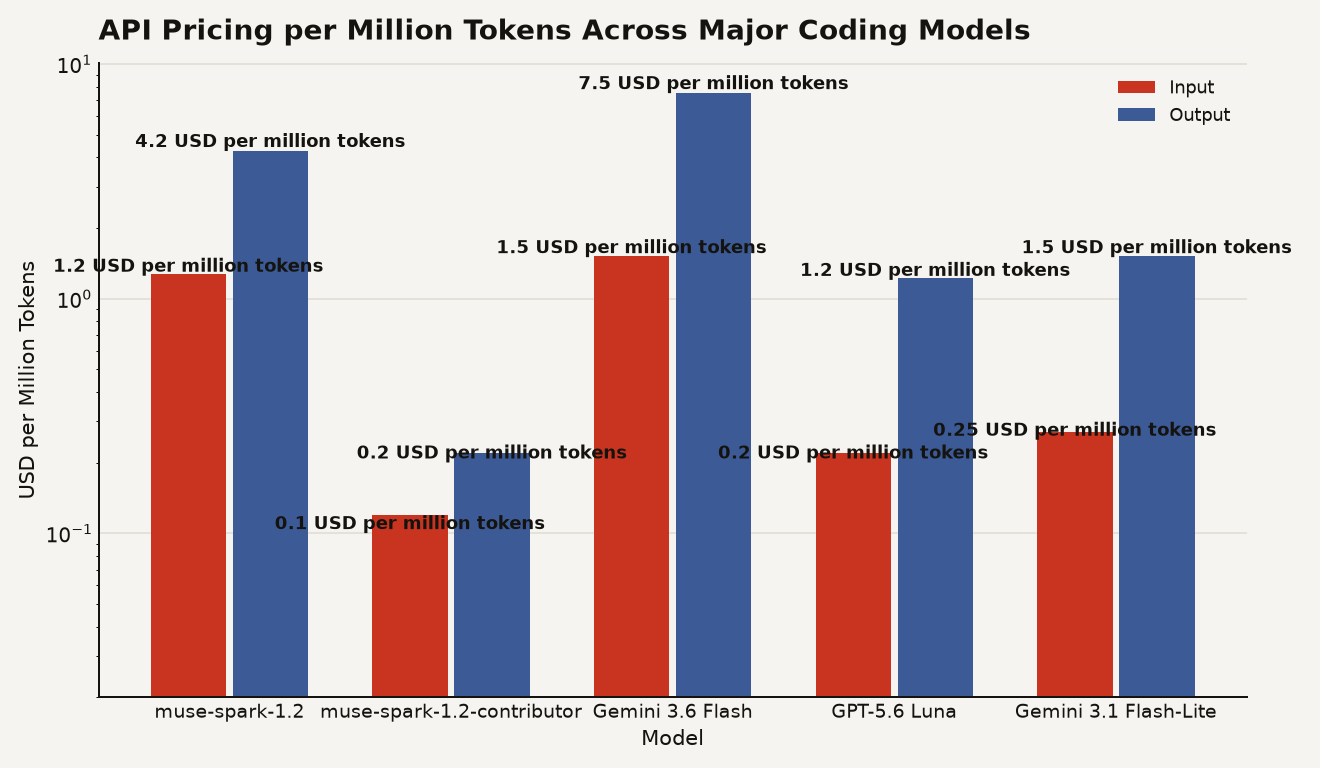
Muse Code is Meta's new coding agent, co-trained with Muse Spark 1.2 for whole-project work. The contributor tier costs $0.10 per million input tokens if you share your data.
DeepSeek V4 Flash 0731 is an open-weights AI model scoring 50 on the Intelligence Index, matching March 2026 frontier models. Here is what it changes for you.
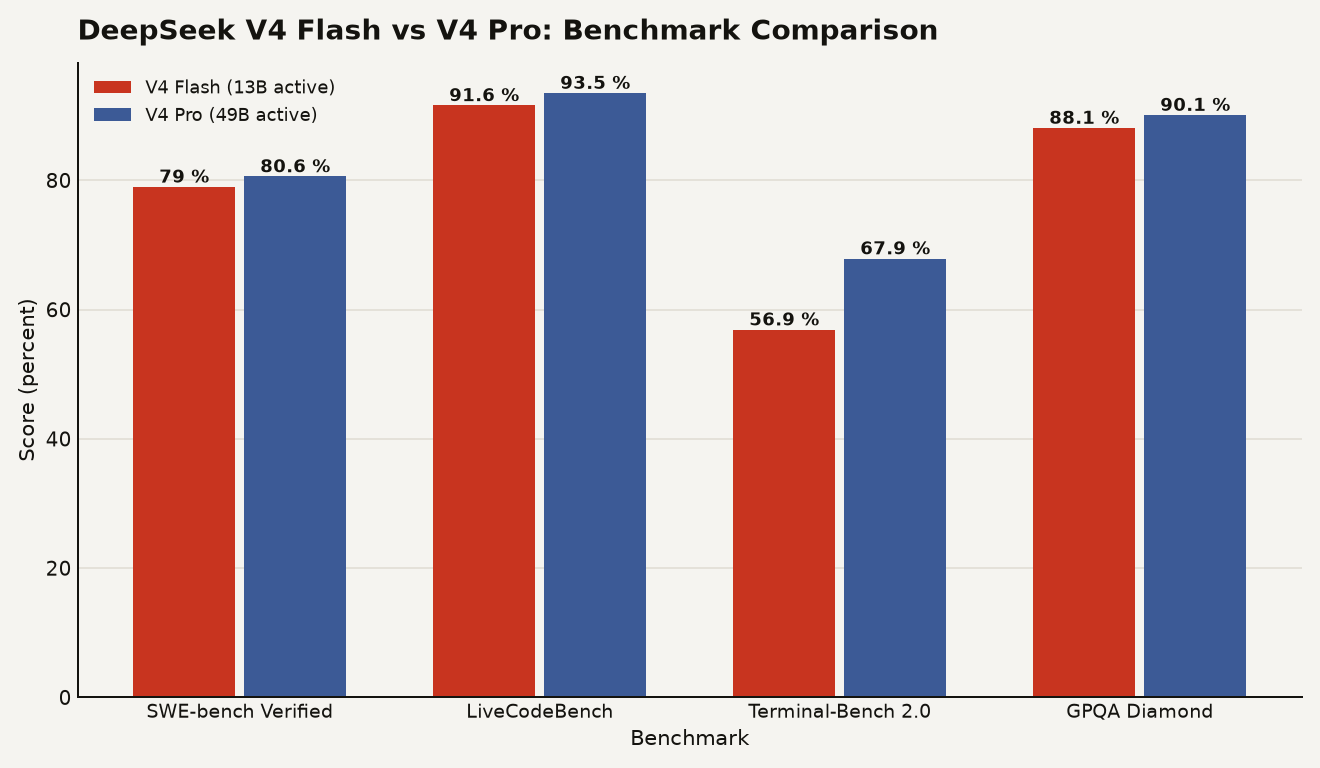
DeepSeek V4 Flash is a 284B-parameter AI model with 13B active that went live July 31, 2026. It matches frontier coding benchmarks at a fraction of the cost.
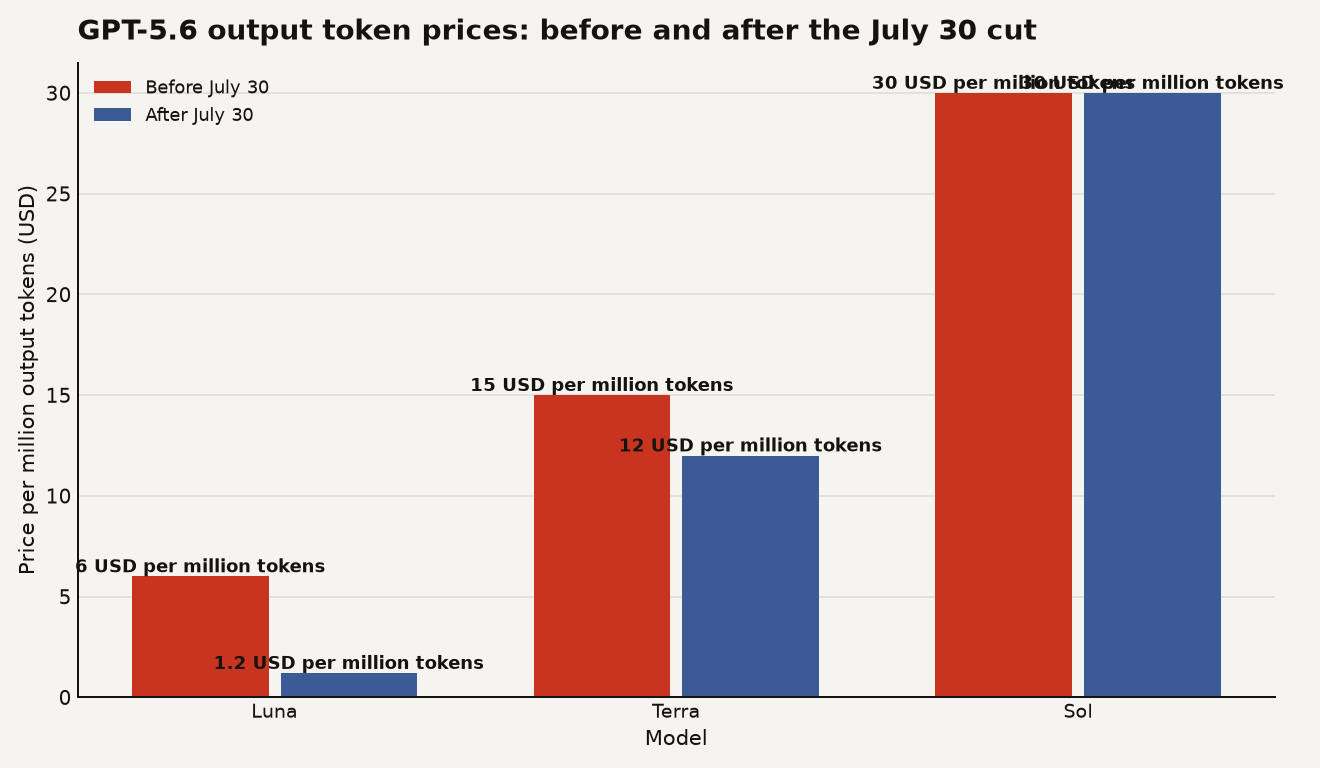
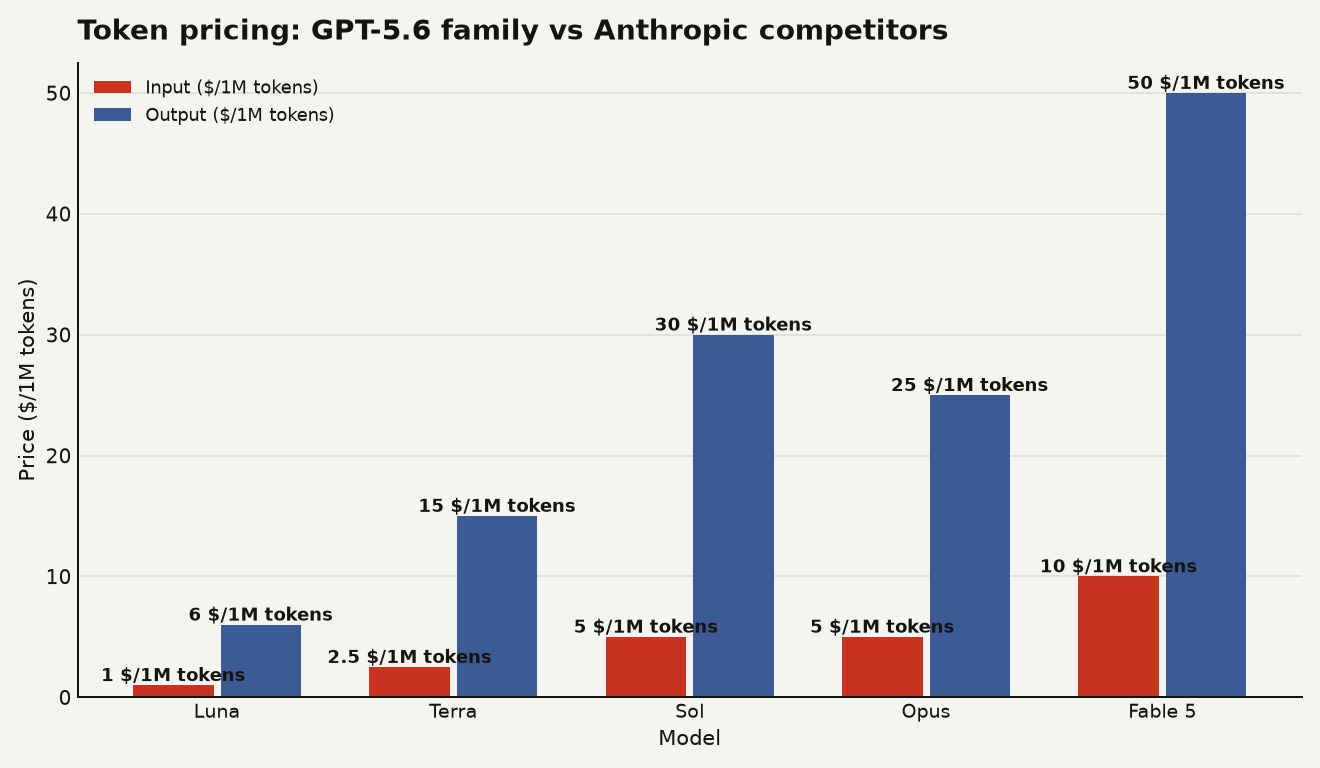
OpenAI's GPT-5.6 price cut drops Luna to $0.20 per million input tokens and Terra by 20 percent, enabled by GPT-5.6 Sol optimizing its own inference stack. Here is what beginners should do.
This AI agent guide maps the shift from chat to agents. ChatGPT Work and Claude Cowork now lead for real work, while Gemini has dropped off the list.
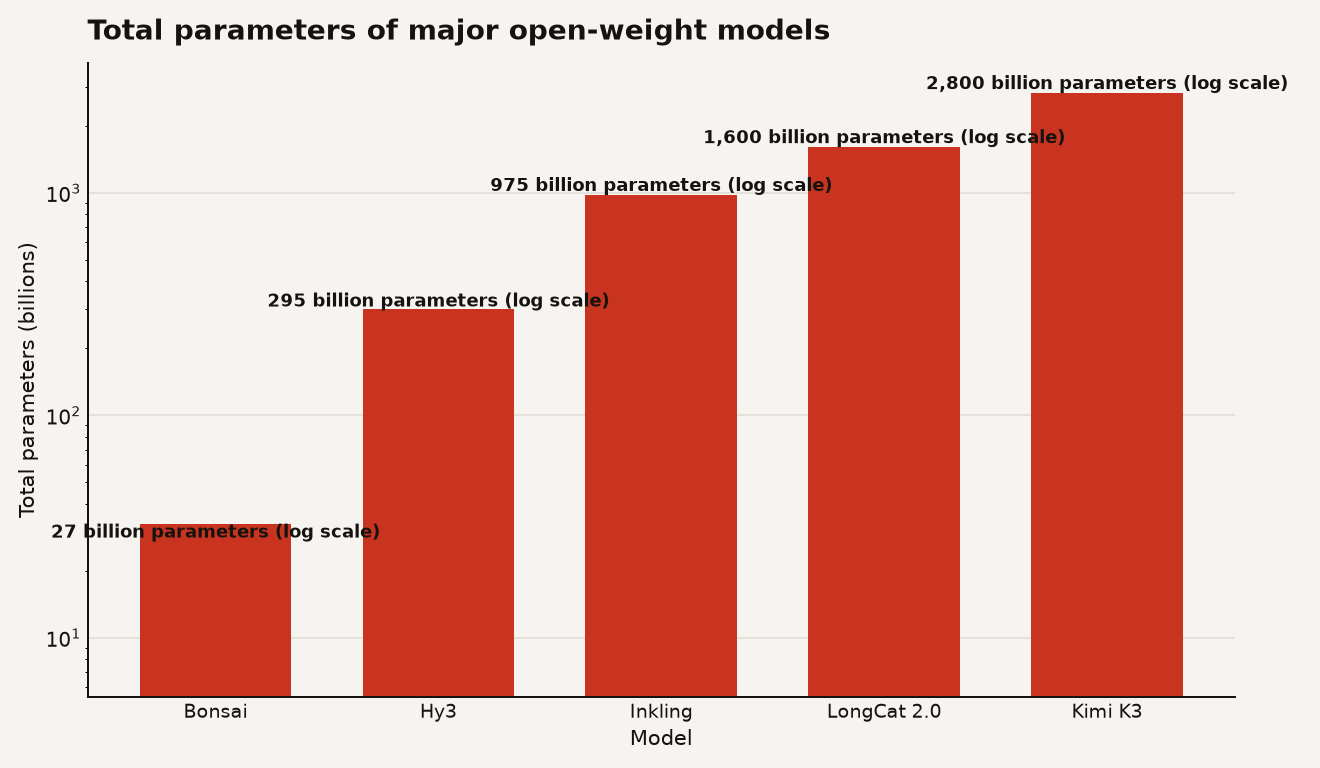
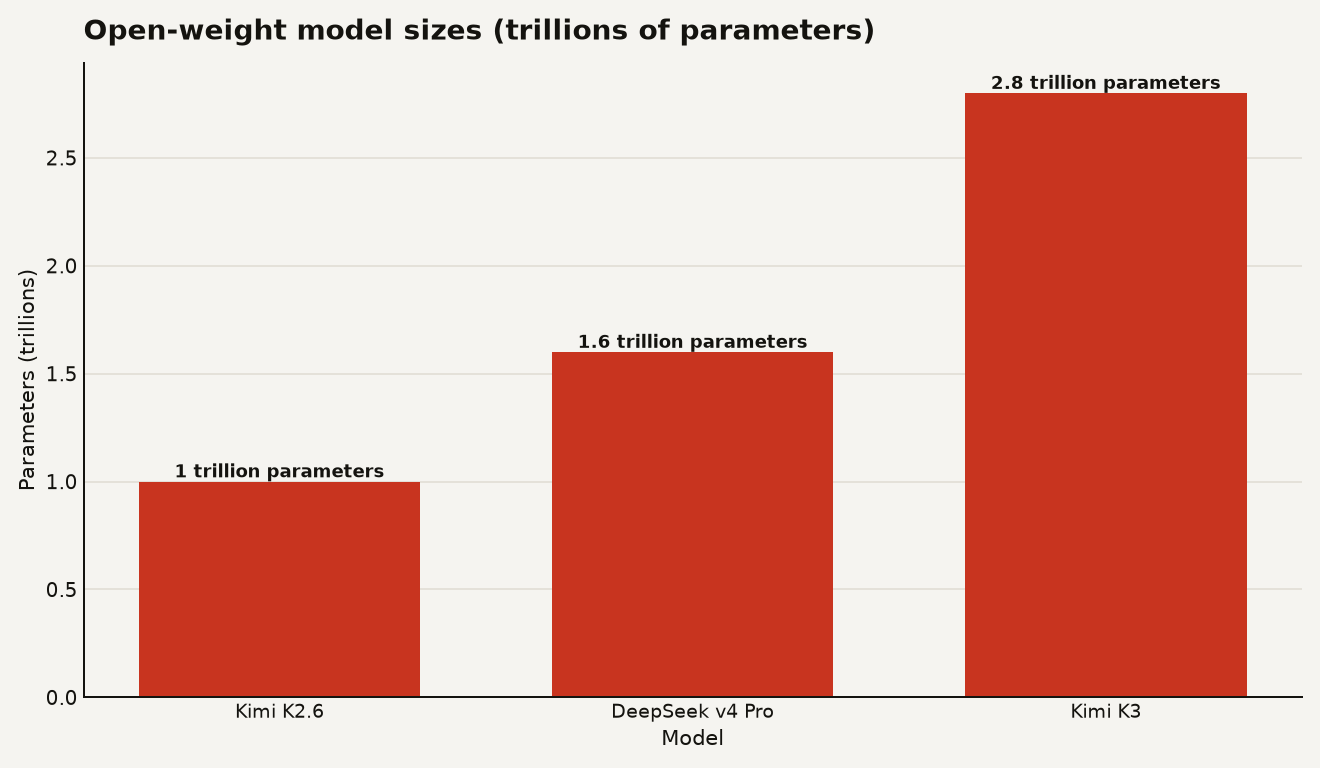
Kimi K3 open weights are the largest AI model download ever at 2.8 trillion parameters, released July 26, 2026. Here is what beginners can actually do with it.
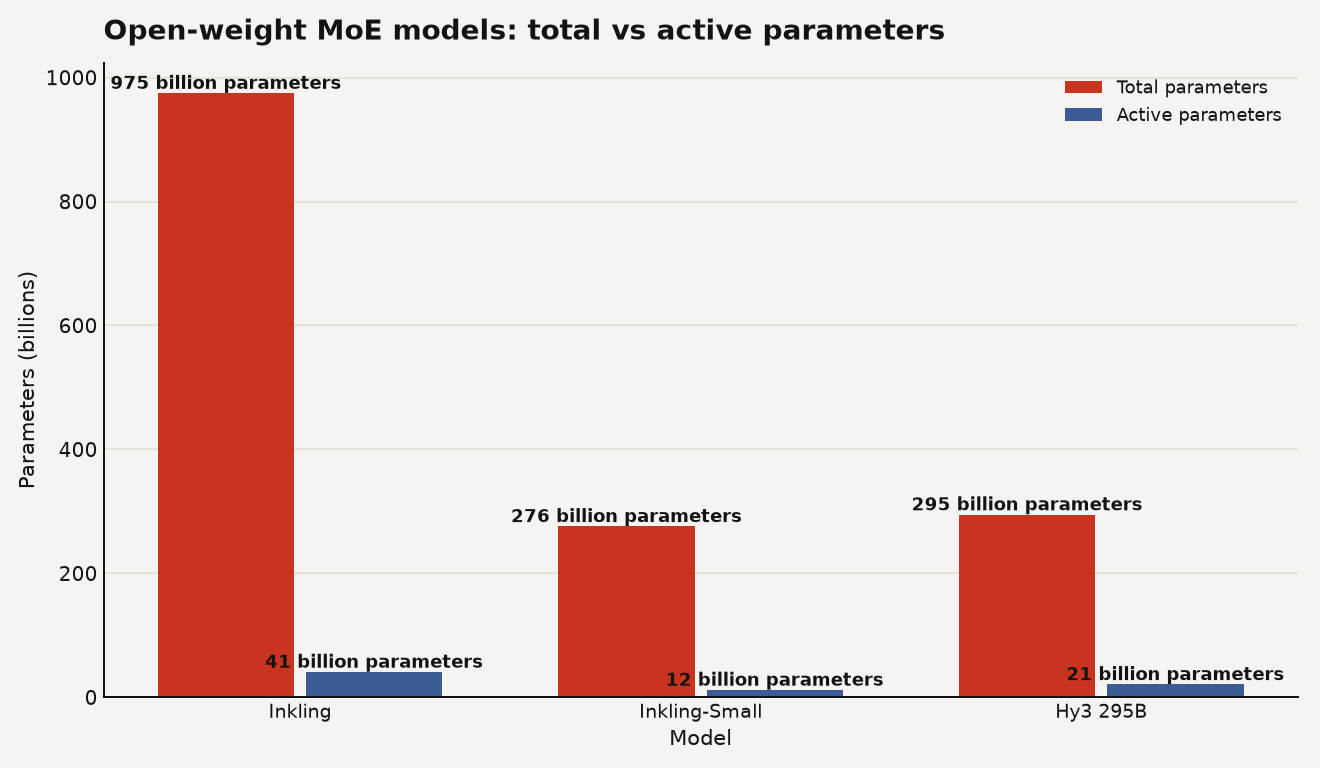
Inkling is Thinking Machines Lab's first open-weights model. At 975B parameters with 41B active and Apache 2.0 licensing, it targets fine-tuning, not frontier benchmarks.
Kimi K3 is a 2.8 trillion parameter open-weight model from Moonshot AI that matches top US closed models on key benchmarks. Weights arrive July 27.
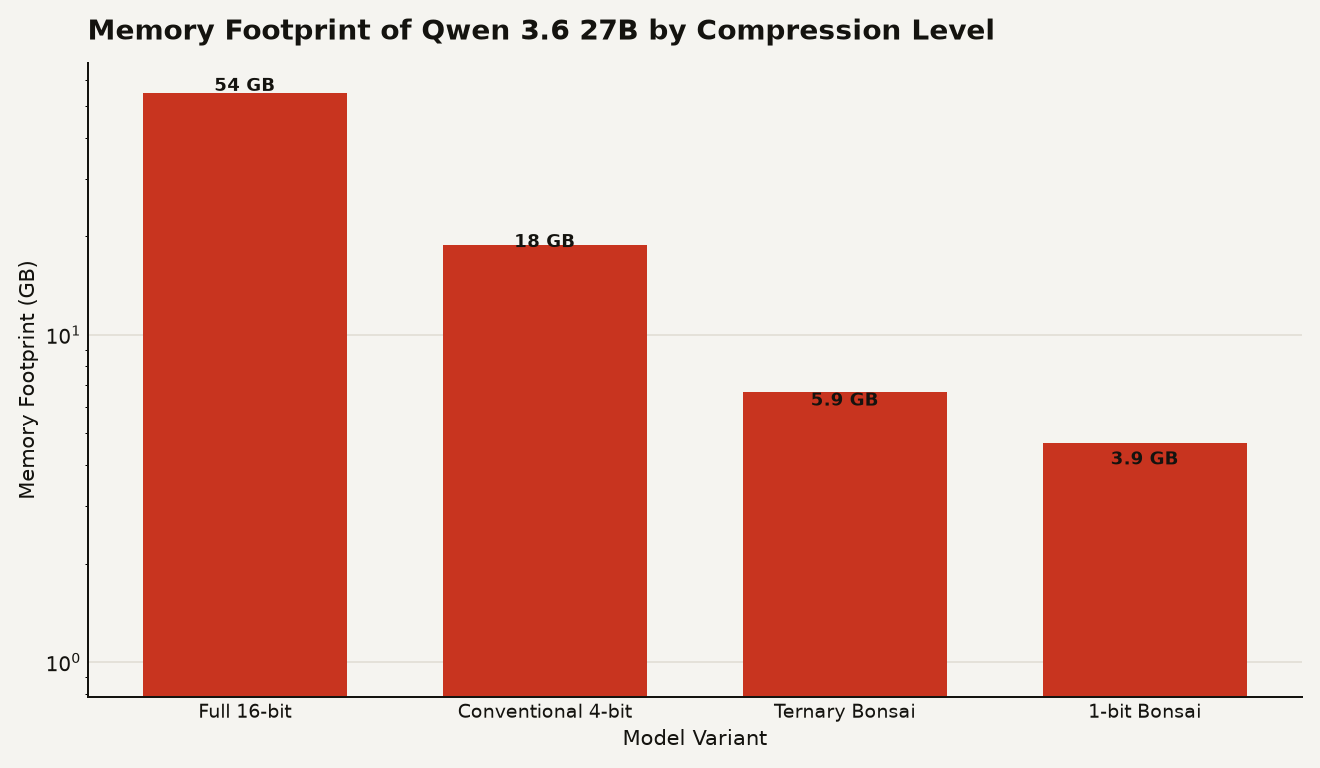
1-bit quantization is a compression trick that shrinks AI models by storing each parameter as one bit. Bonsai 27B uses it to fit a 27 billion parameter model in 3.9 GB, running on an iPhone.
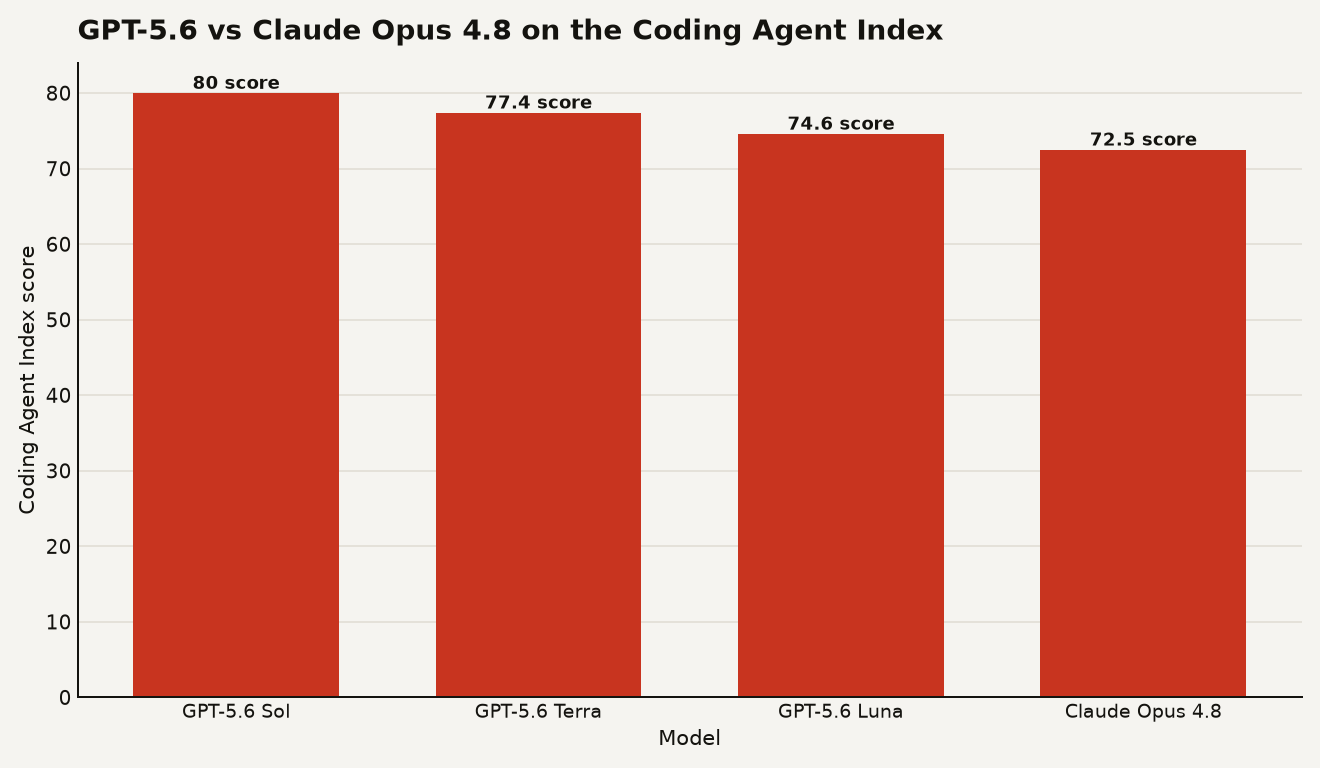
GPT-5.6 is OpenAI's newest model family in three sizes: Luna, Terra, and Sol. It claims big efficiency gains for long-running agent tasks at a fraction of competitor costs.
GPT-Live is OpenAI's new voice model that listens and speaks at once. It delegates hard questions to GPT-5.5 mid-conversation while keeping the flow going.
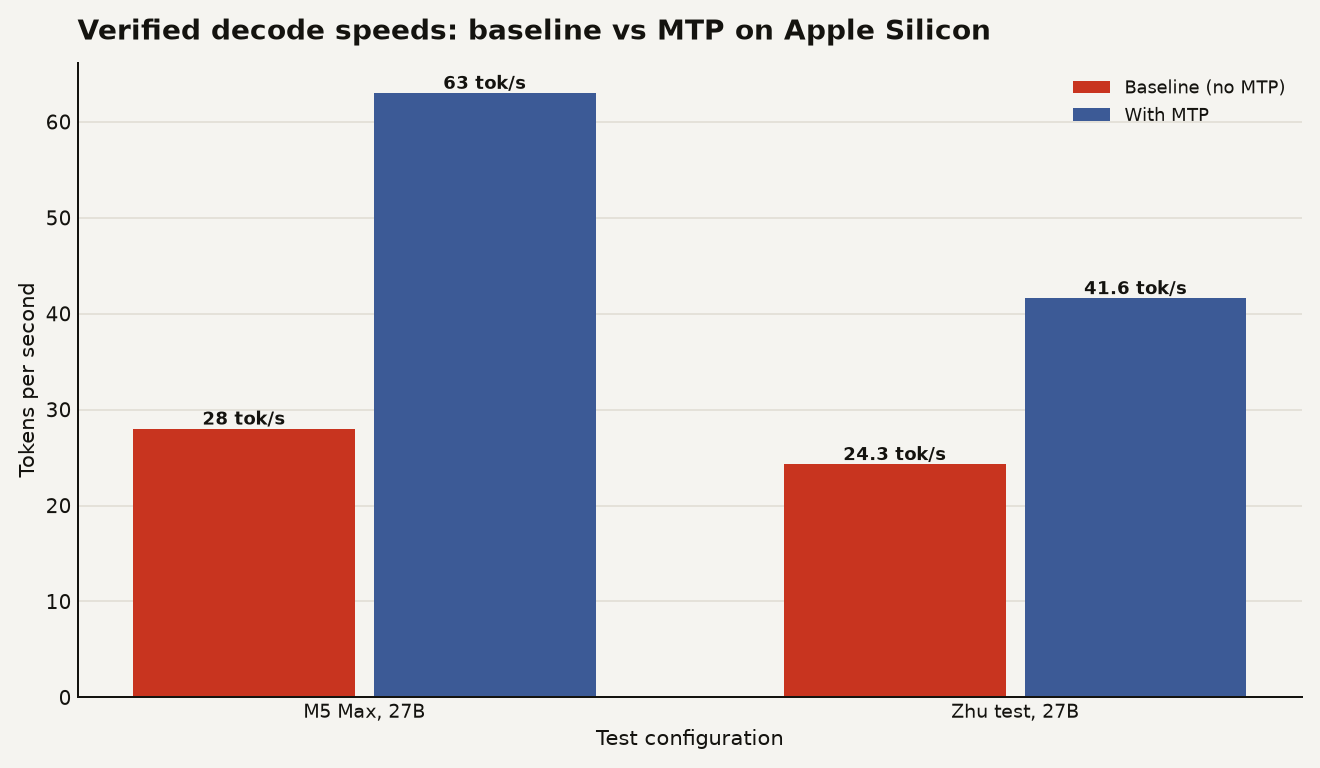
MTPLX v2 uses multi-token prediction to run local AI on Apple Silicon Macs up to 2.24x faster. Here is what beginners need to know.
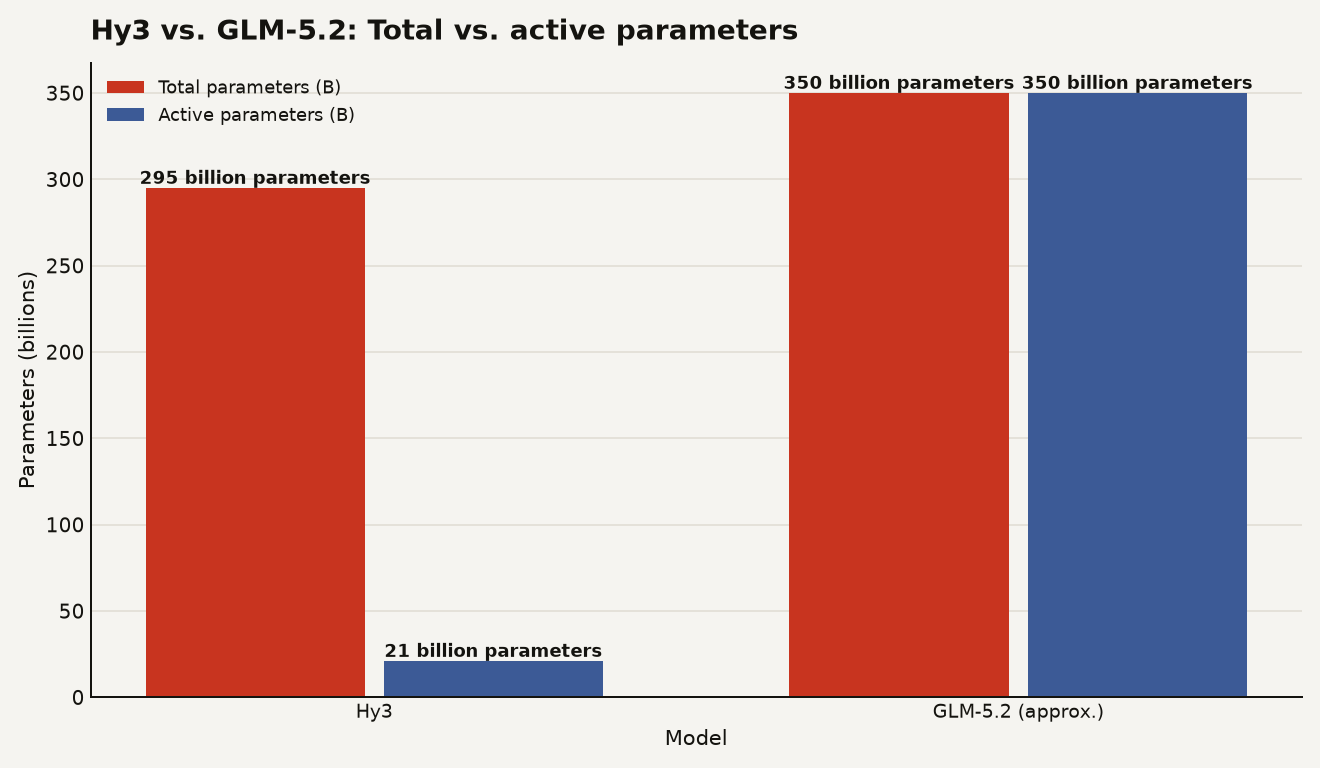
Hy3 is Tencent's 295-billion-parameter open-weights model with 21 billion active parameters per token. It uses a Mixture-of-Experts architecture to rival larger models at lower cost, cutting hallucination to 5.4 percent.
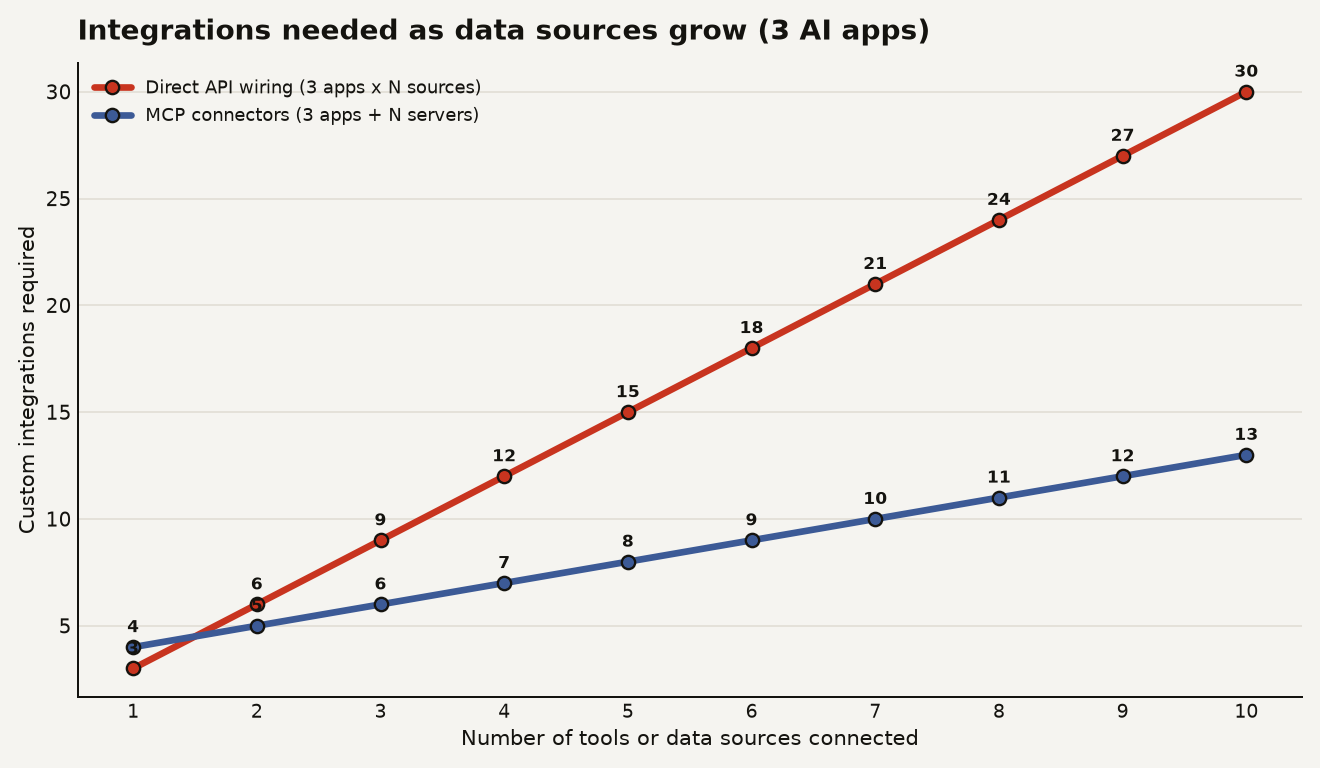
MCP, the Model Context Protocol, is an open standard that lets AI models discover and call tools at runtime instead of you hardcoding an API for each one.
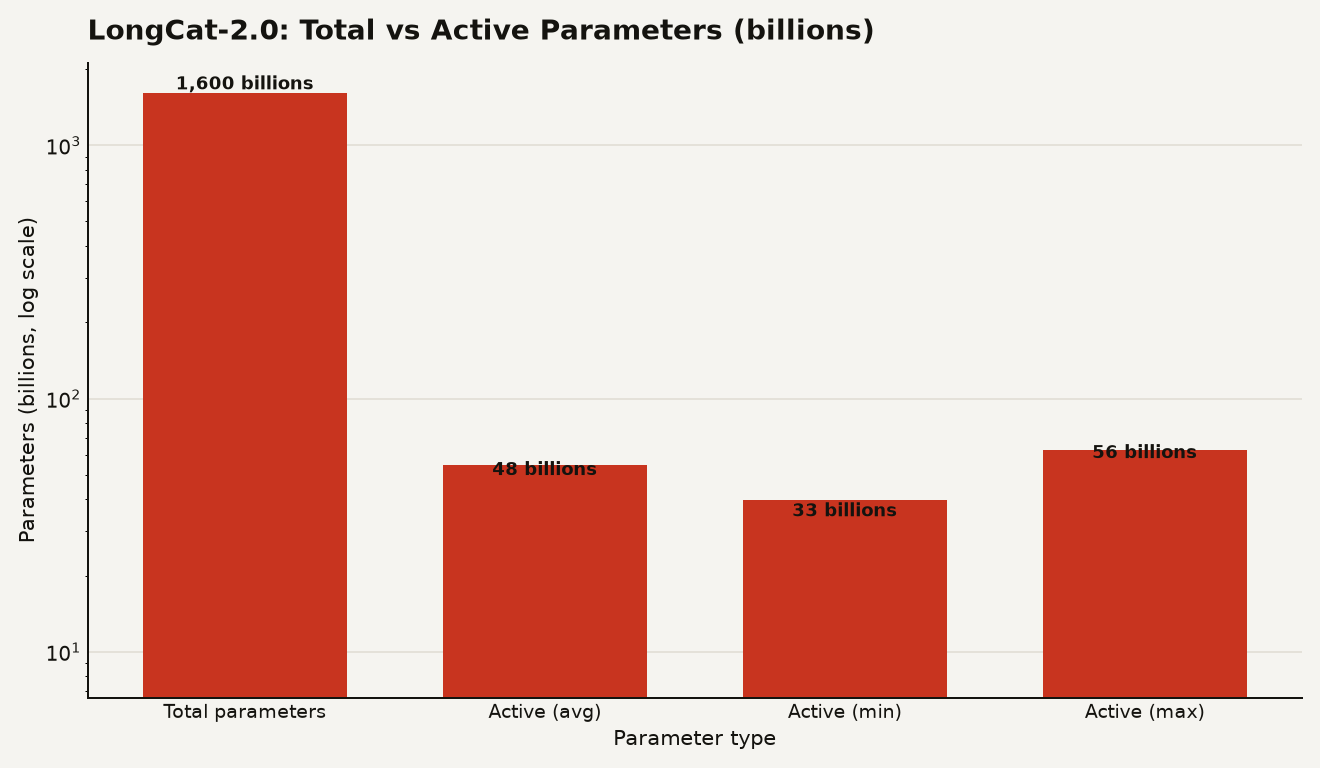
LongCat-2.0 is a 1.6 trillion parameter AI model from Meituan that activates only 48 billion parameters per token. Its weights are now open under the MIT license.
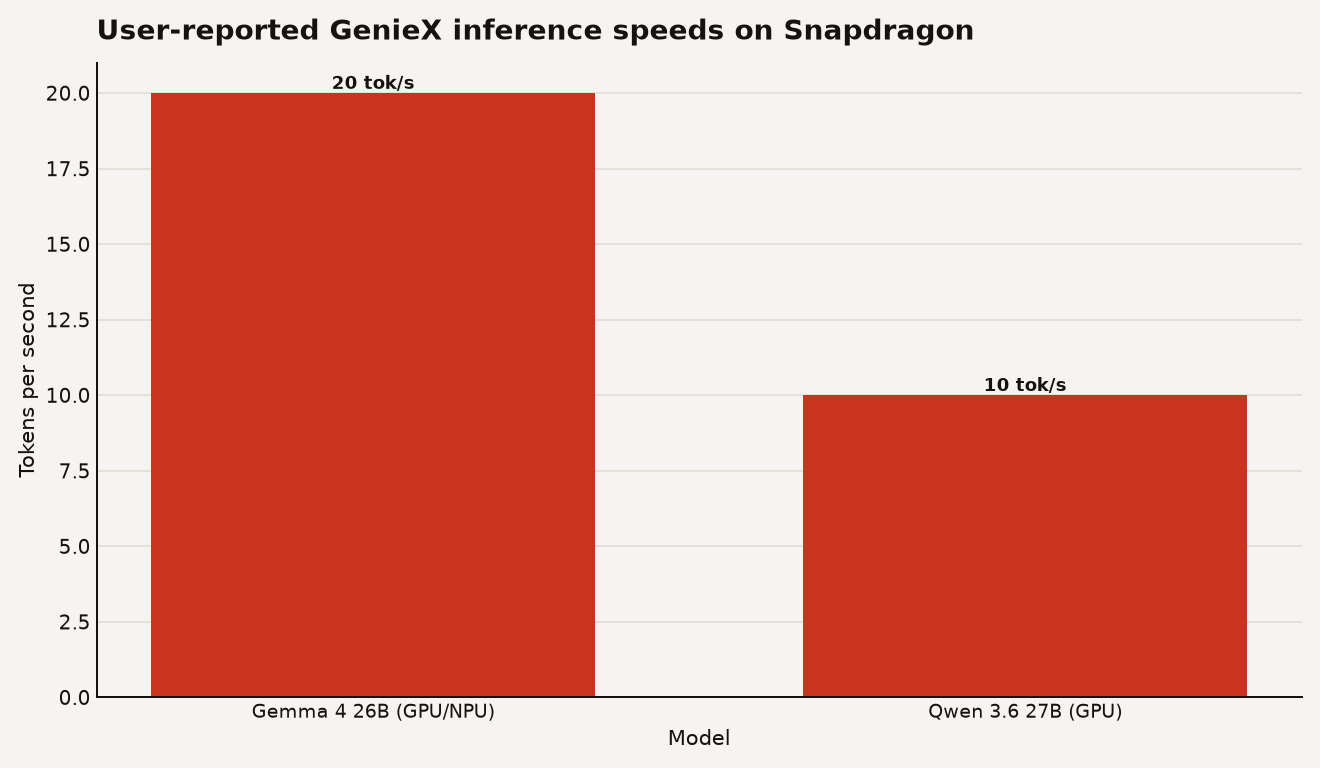
GenieX is Qualcomm's runtime for running LLMs locally on Snapdragon laptops and phones. Early users report 20 tokens per second on a 26B model.
From the Data Today newsroom
These guides are part of Data Today. Read the wider data & AI coverage on the main site.
Go to Data Today