Snowflake Adaptive Compute: a bill owner's guide
Snowflake Adaptive Compute is query billed warehouse compute with 2 tuning knobs. Use it when tuning costs more than control.
Practical, sourced guides to building and running data platforms on Snowflake: warehouses, cost control, governance, and the agent and AI features data teams actually ship.
Snowflake Adaptive Compute is query-billed warehouse compute. Its default XLARGE cap and multiplier 2 force FinOps teams to retest sizing.
Cortex Agents let you build an AI agent that reasons across structured tables, unstructured documents, and custom tools inside Snowflake. It orchestrates a plan-act-reflect loop, and the bill is the sum of four meters you need to watch.
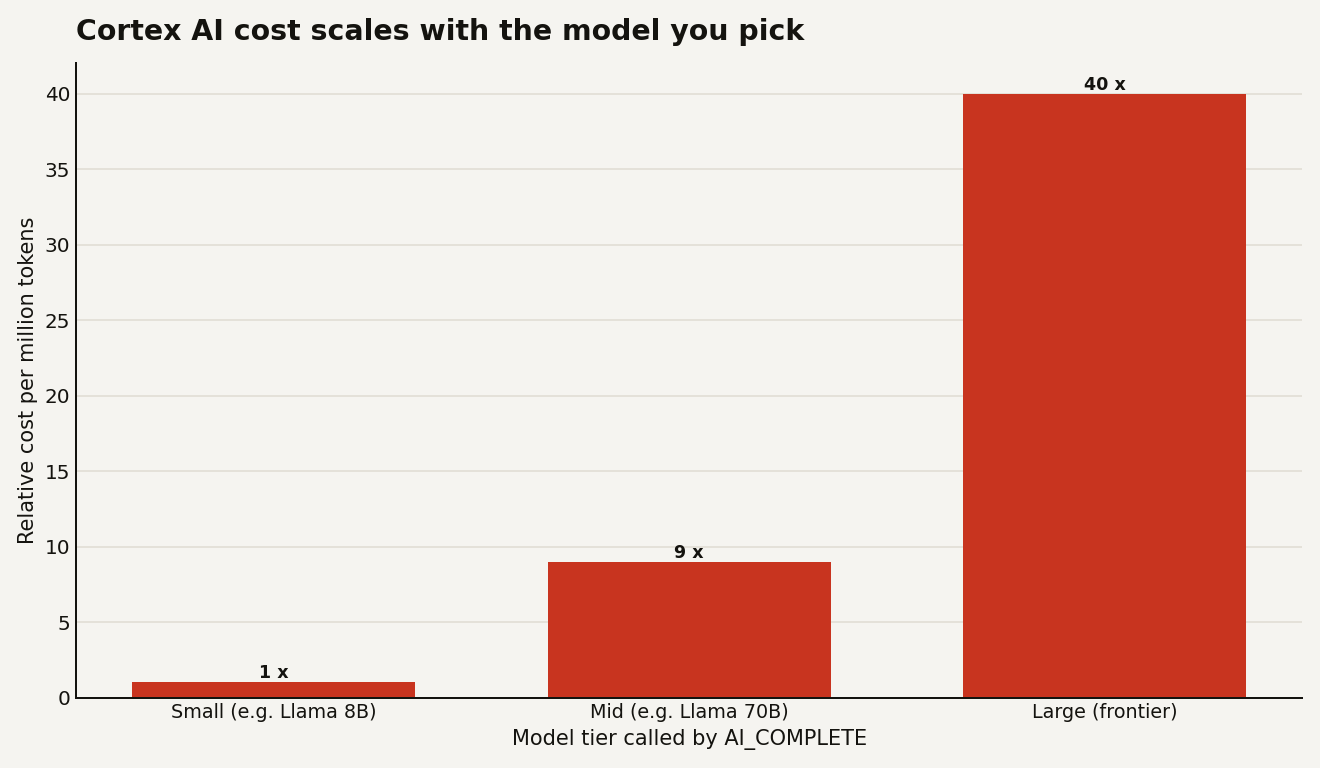
Snowflake Cortex AI exposes LLMs as SQL functions like AI_COMPLETE and AI_CLASSIFY, so you run inference without moving data out. It is billed per token by model, and cost swings roughly 40x between a small model and a frontier one, so model choice is the budget.
Cortex Analyst is Snowflake's managed text-to-SQL service: business users ask questions in natural language and get answers without writing SQL. The accuracy depends almost entirely on a semantic view you build, and it is billed per message, not per token.
Cortex Search is Snowflake's managed hybrid search service: it embeds your text, runs vector plus keyword retrieval with reranking, and keeps the index fresh, so you can build RAG and enterprise search without standing up a vector database. The cost is several meters, and serving compute bills even when idle.
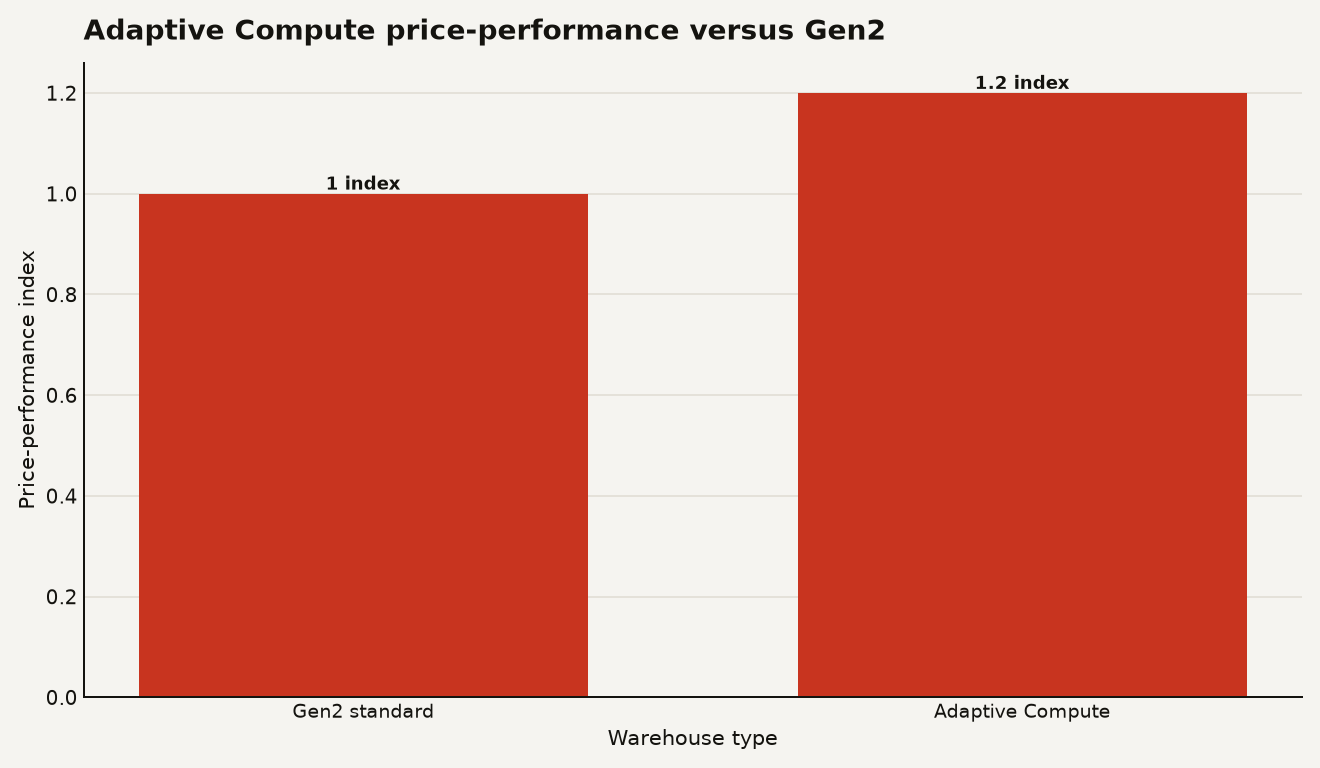
Snowflake Gen2 standard warehouses run on faster hardware and finish most queries quicker, but they bill at a higher credit rate and you often have to switch with a SQL clause. Whether they save money depends entirely on whether the speedup beats the rate.
Snowflake access control is role-based: privileges attach to roles, not users. Splitting access roles from functional roles collapses thousands of direct grants to a few hundred, and one masking policy can protect thousands of columns at query time.
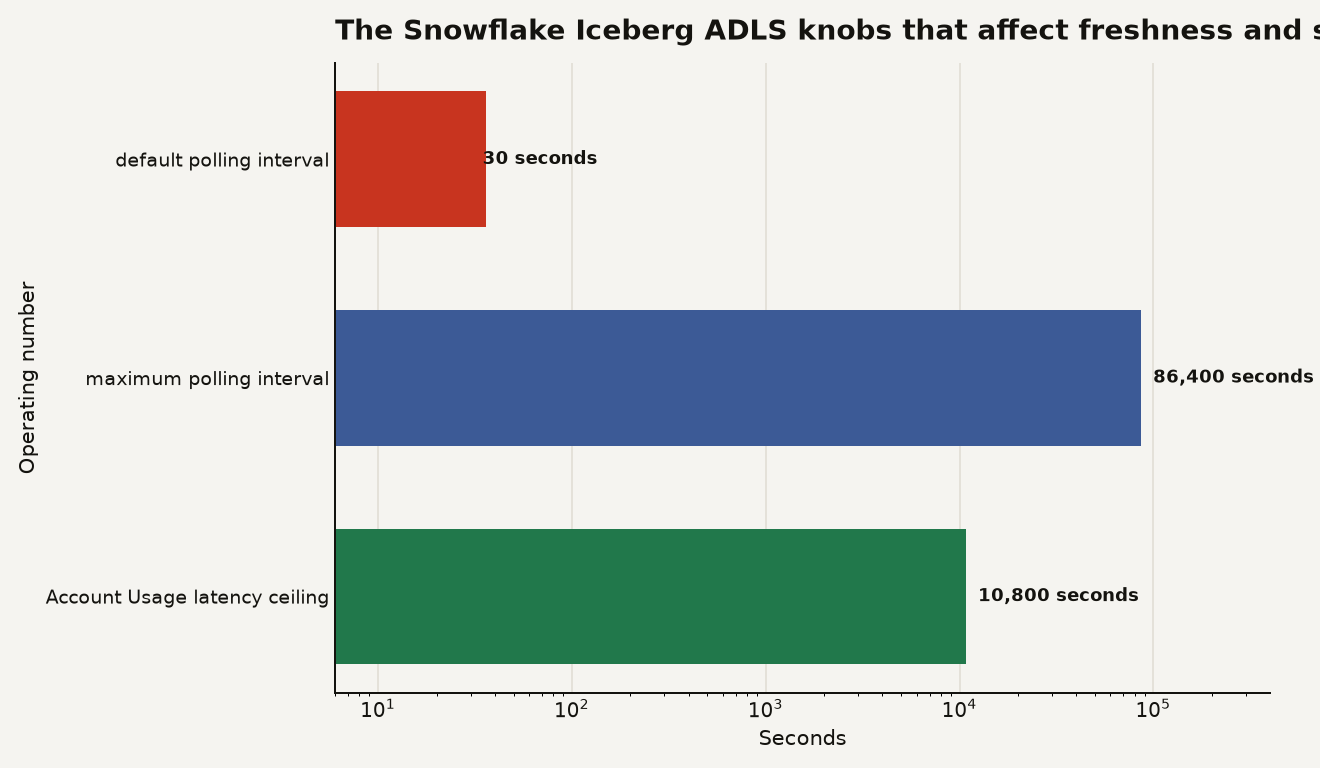
Snowflake Iceberg tables store data in open Apache Iceberg format in your own cloud storage, so Snowflake bills zero storage and other engines can read it. The catch: only Snowflake-managed catalog tables get full platform support, external-catalog tables lose clustering, cloning, and replication.
Openflow is Snowflake's managed data integration service, built on Apache NiFi, that moves structured and unstructured data from any source into Snowflake. It runs in two modes: inside Snowflake on container services, or in your own cloud VPC, and each bills and isolates differently.
Snowflake clustering keys reorganize micro-partitions so queries prune more of the table. On a well-clustered date column a one-day query can scan 140 micro-partitions instead of 9,800, but automatic clustering bills credits, so it only pays on big, filtered, slow-changing tables.
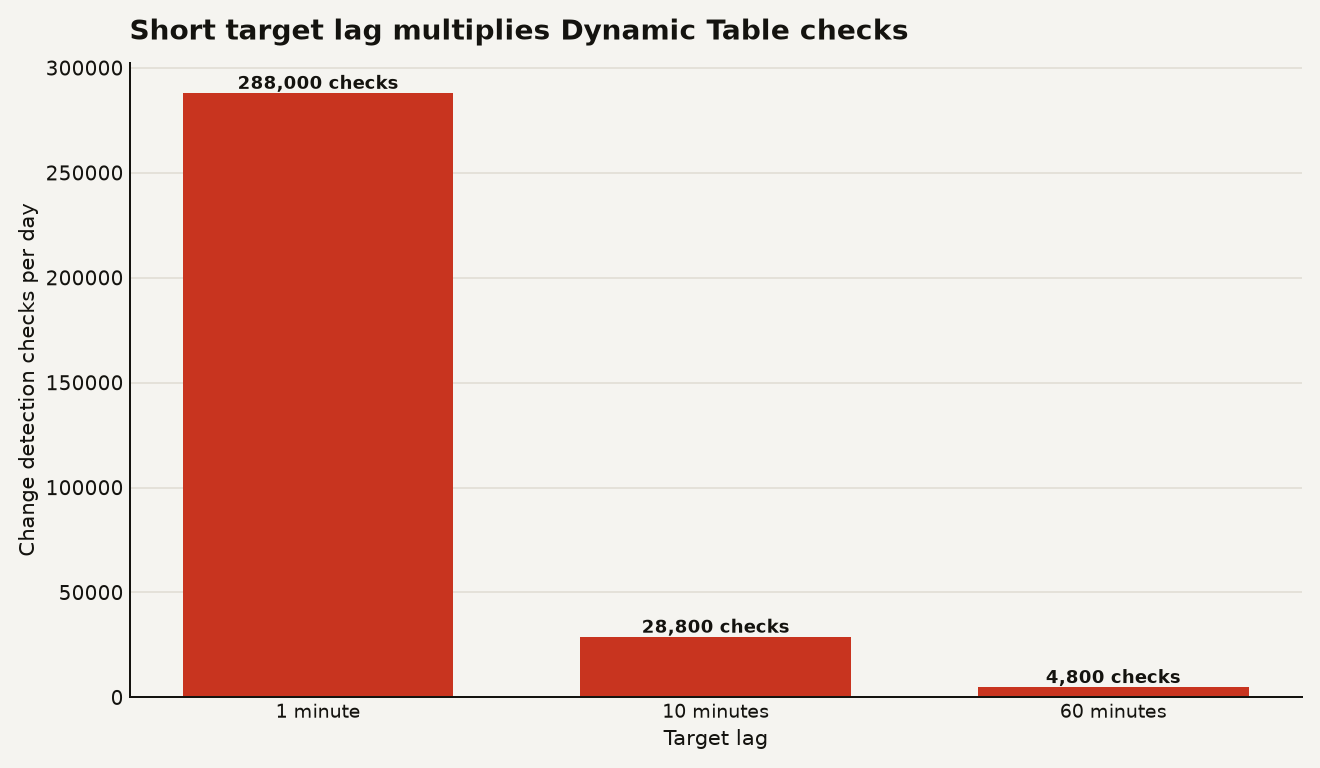
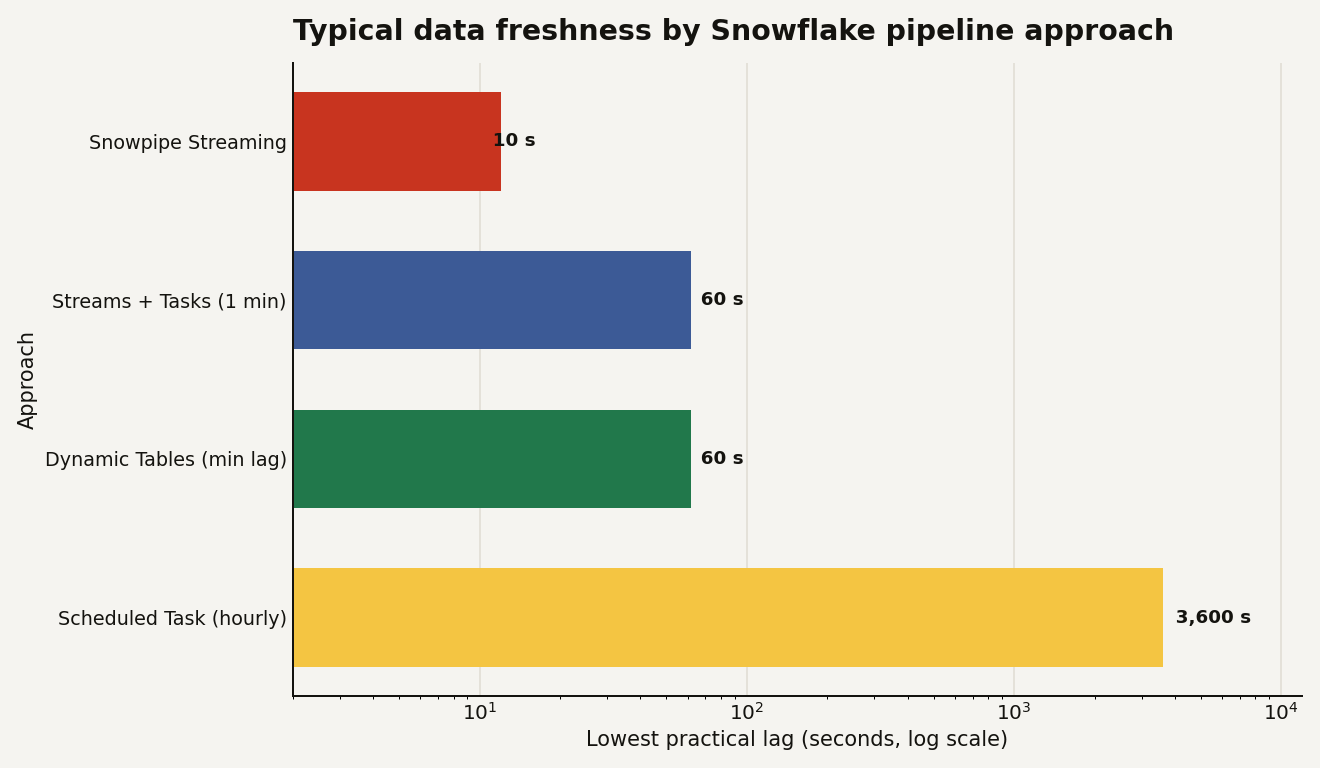
Dynamic Tables let you declare a SELECT and a target lag and let Snowflake refresh it; Streams and Tasks give you imperative control. Dynamic Tables bottom out at a 60-second minimum lag, so sub-minute freshness still means Snowpipe Streaming or Tasks.
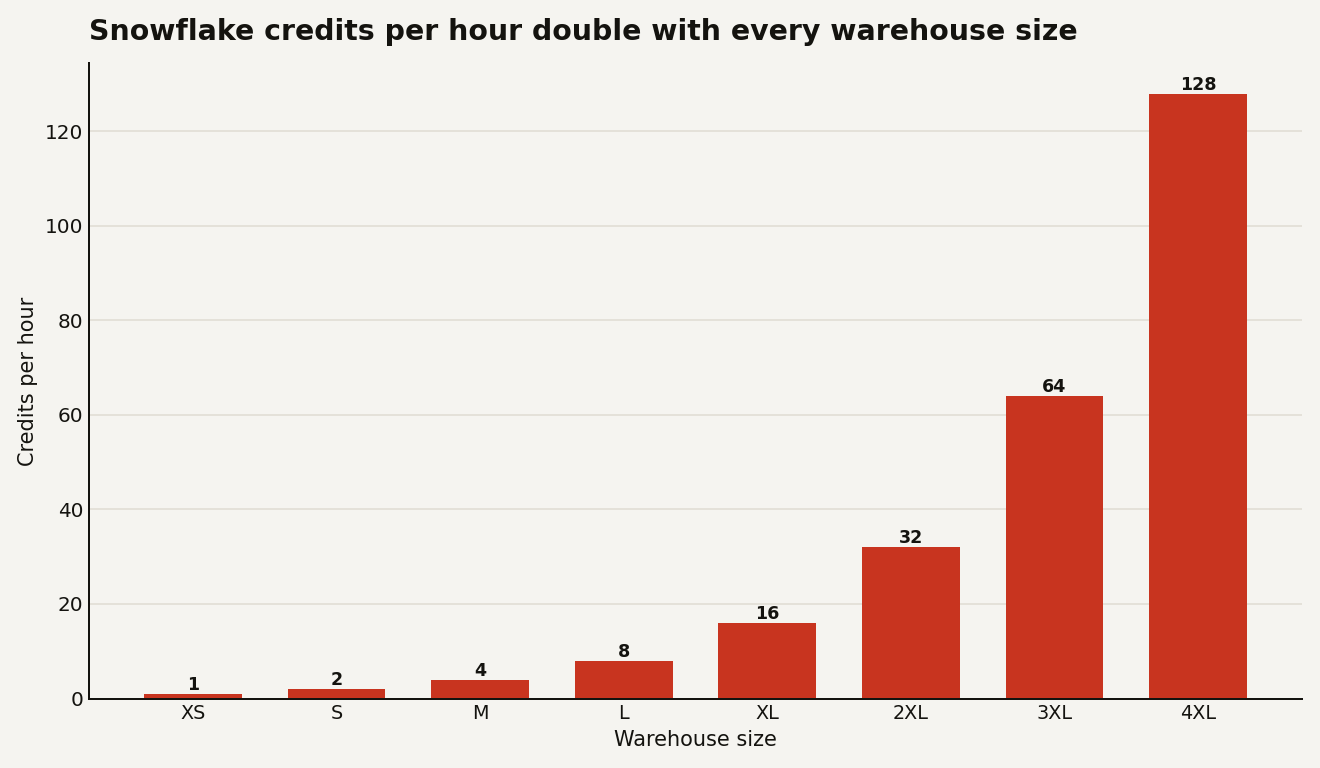
Snowflake warehouse sizing sets your credit burn: each size up doubles credits per hour, so a 4XL costs 128 credits per hour against an XS at 1. Right-size by workload, not by habit.
From the Data Today newsroom
These guides are part of Data Today. Read the wider data & AI coverage on the main site.
Go to Data Today