Snowflake
Snowflake Code Bundles: Python without stored procedures
Snowflake Code Bundles let you package and run Python and Spark on Snowflake compute without stored procedures. Here is what ships, what it costs, and when to use it.
11 stories tagged pipelines.
Snowflake Code Bundles let you package and run Python and Spark on Snowflake compute without stored procedures. Here is what ships, what it costs, and when to use it.
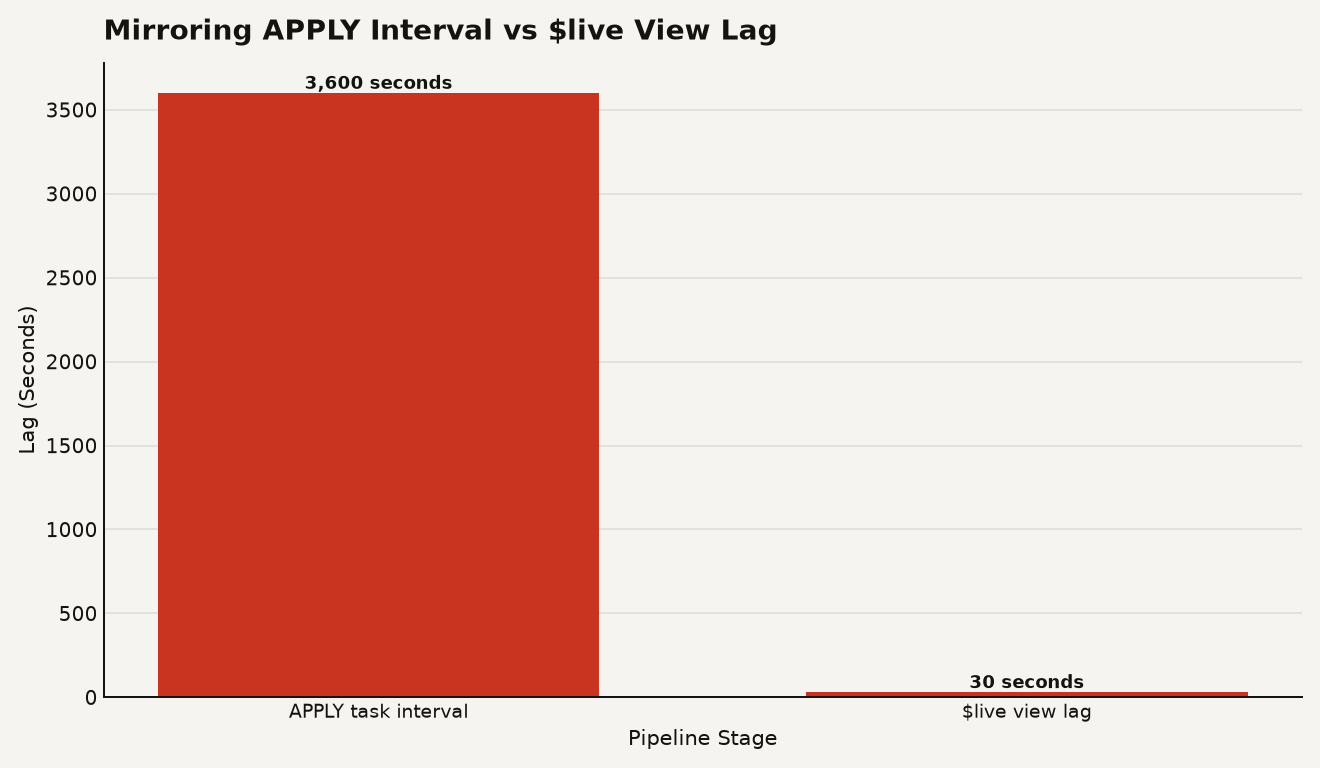
Snowflake Postgres data mirroring continuously replicates Postgres tables into Snowflake using Iceberg with 30-second lag. It replaces external CDC connectors with serverless compute and open formats.
Snowflake DCM Projects GA brings declarative infrastructure-as-code to Snowflake with DEFINE statements and plan-then-deploy. Eight capabilities remain in Preview, including masking policies and streams.
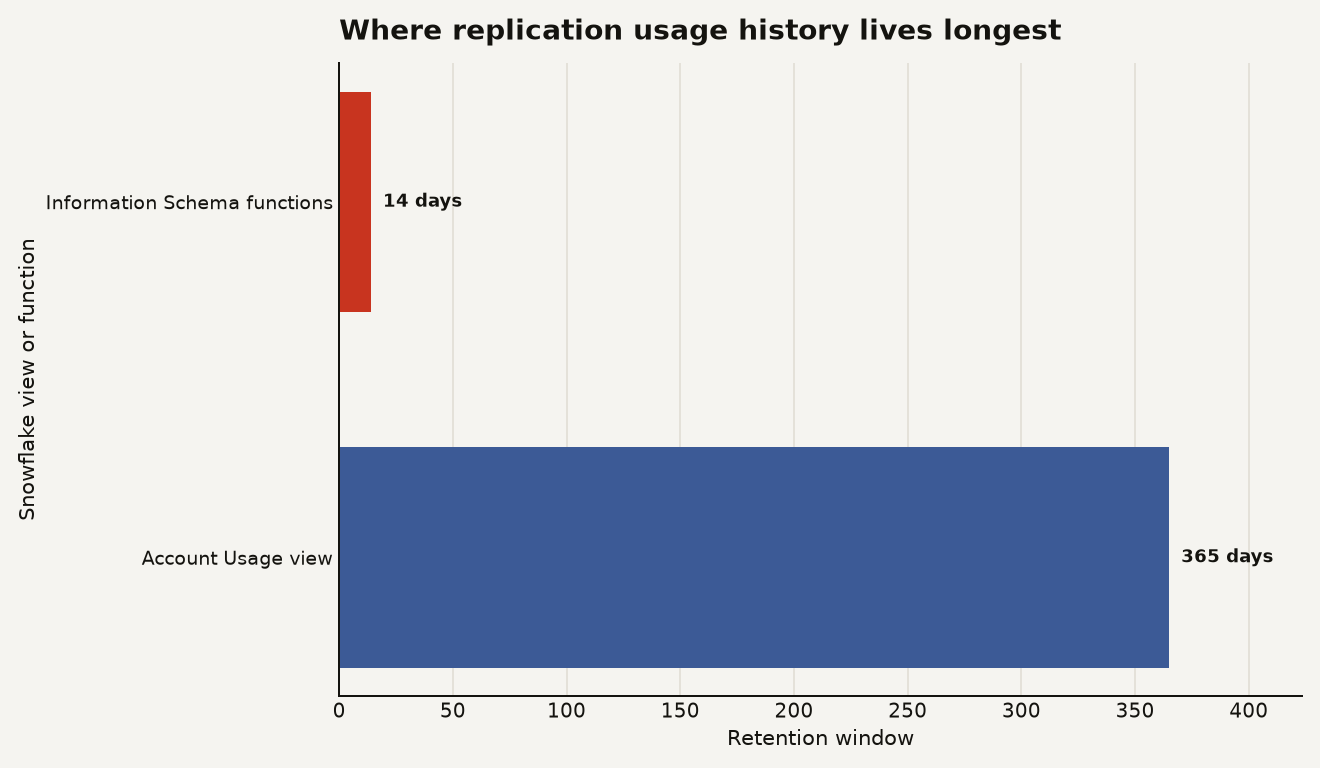
Dynamic Iceberg table replication now keeps Snowflake managed Iceberg pipelines in DR plans, but refresh and transfer costs move to the target account.
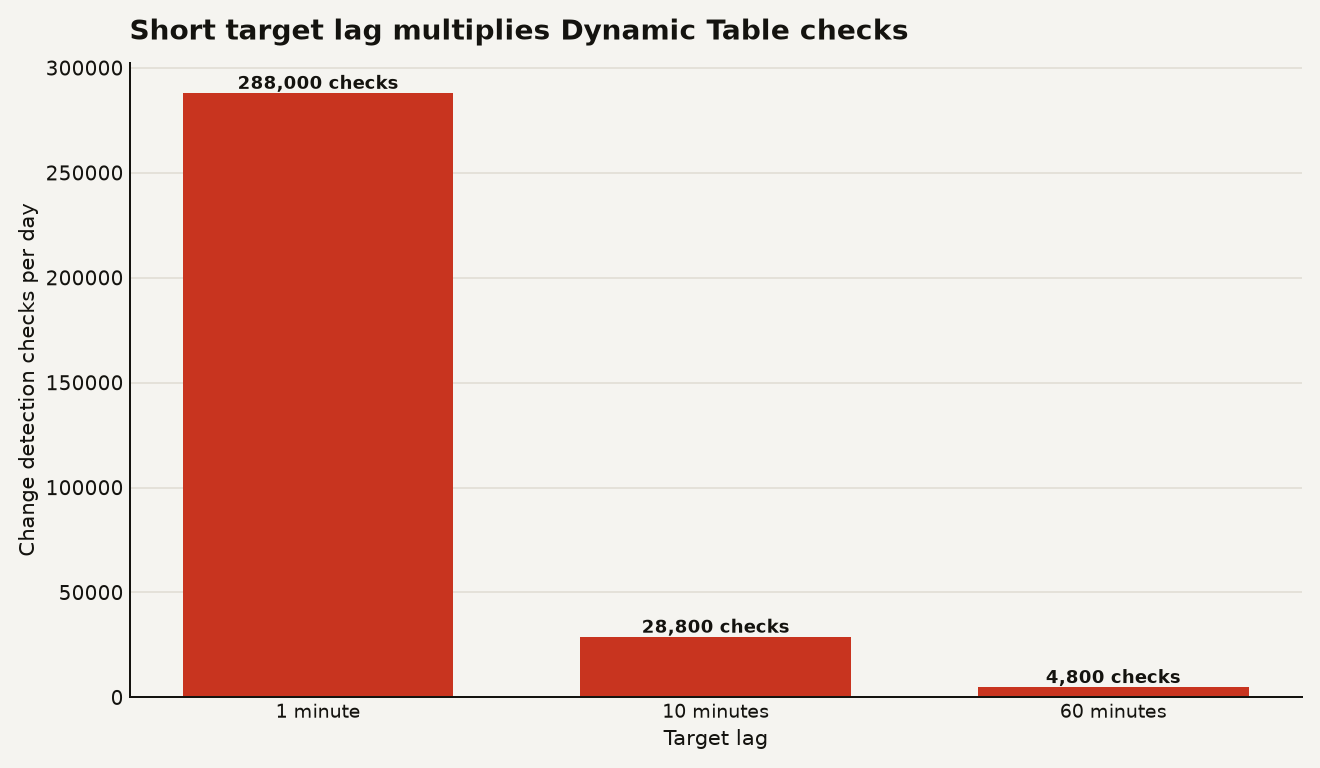
Snowflake Dynamic Tables now claim up to 2.8x faster refresh on Gen2 warehouses, but the cost win depends on target lag and change volume.
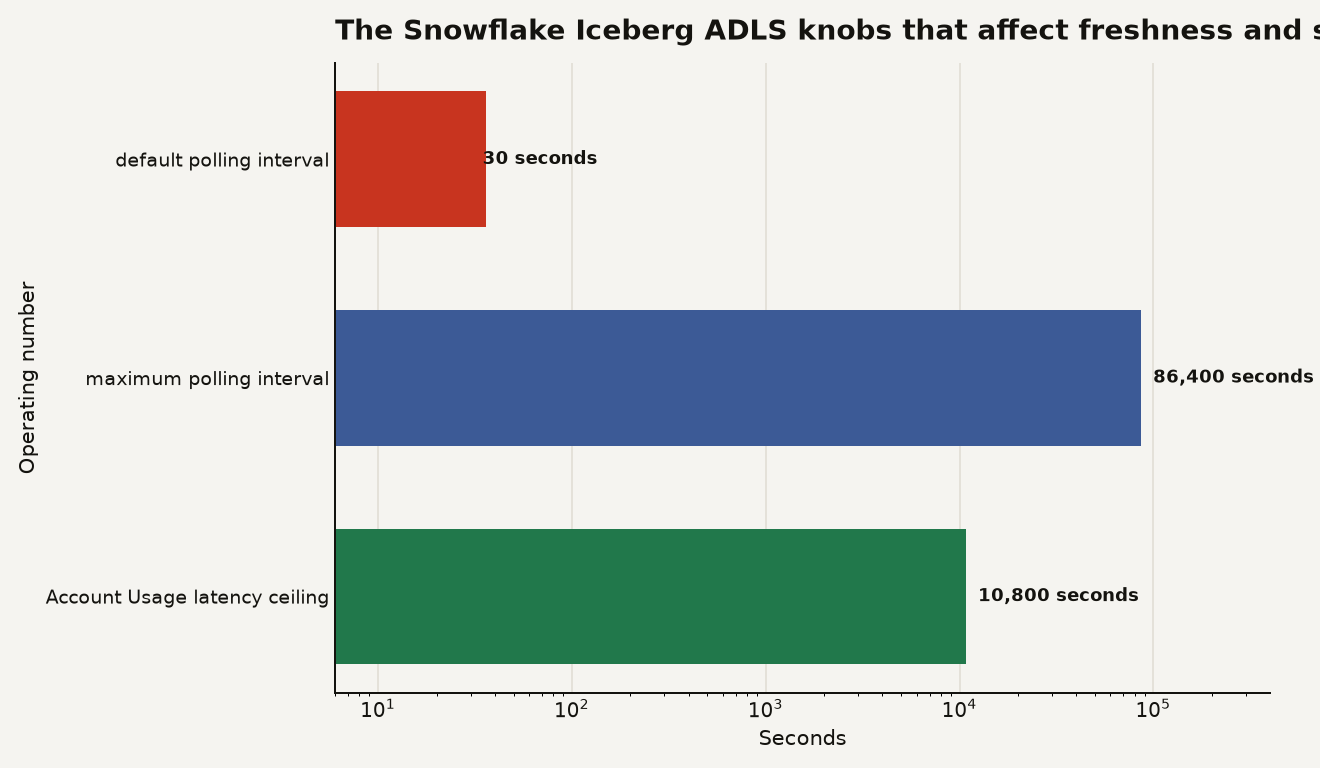
Azure teams can now read and write externally managed Iceberg tables in Snowflake without moving storage, through GA ADLS support.
Set to AUTO, Snowflake's GA ICEBERG_MERGE_ON_READ_BEHAVIOR switch sends 3 of 4 Iceberg table cases to merge-on-read.
Matillion's Data Productivity Cloud builds and runs pipelines with low-code, code and AI. How the pieces fit and where the cost goes.
Snowflake Iceberg tables store data in open Apache Iceberg format in your own cloud storage, so Snowflake bills zero storage and other engines can read it. The catch: only Snowflake-managed catalog tables get full platform support, external-catalog tables lose clustering, cloning, and replication.
Built on Apache NiFi, Snowflake Openflow moves data from any source into Snowflake, running inside Snowflake or in your own VPC, each billed differently.
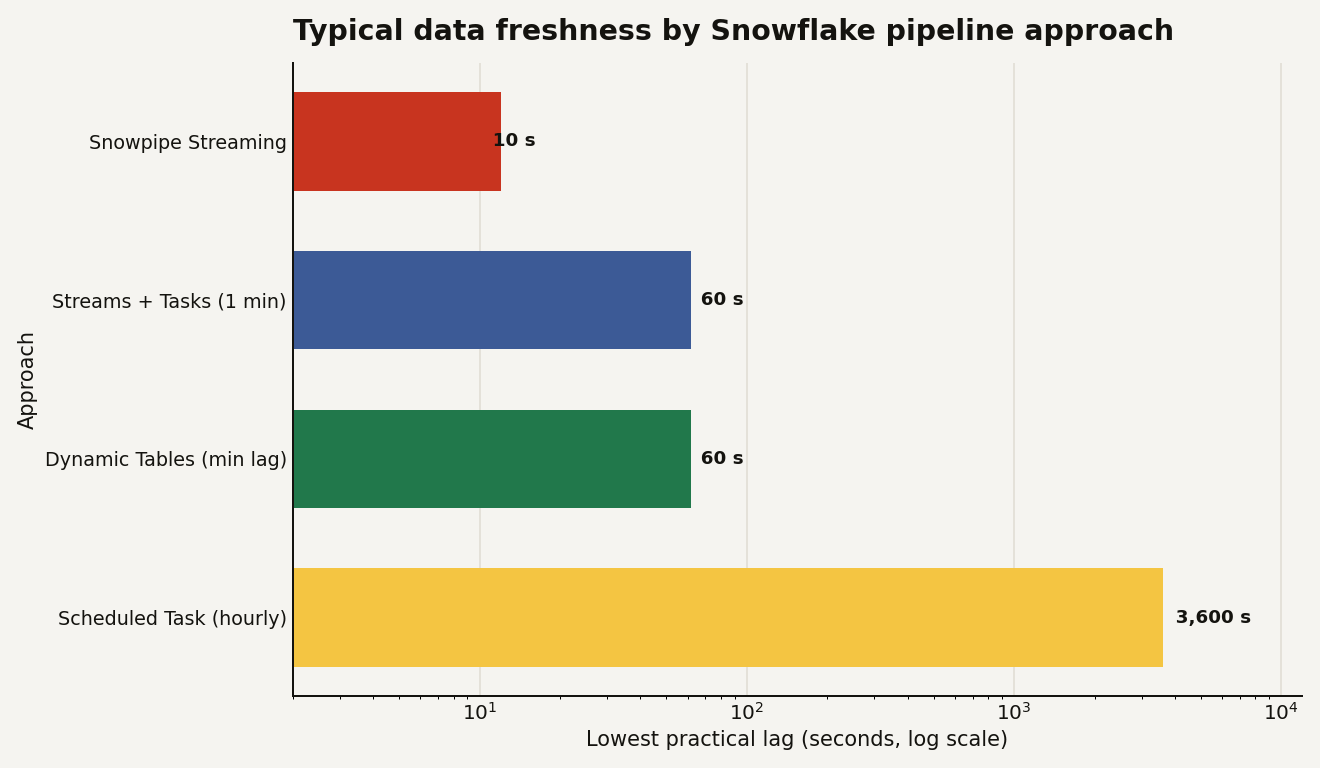
Dynamic Tables let you declare a SELECT and a target lag and let Snowflake refresh it; Streams and Tasks give you imperative control. Dynamic Tables bottom out at a 60-second minimum lag, so sub-minute freshness still means Snowpipe Streaming or Tasks.