AWS FinOps: the cost levers that actually move the needle
Five AWS services drive 80 percent of spend. Rightsizing, commitment discounts and storage tiering pull hardest, and the FinOps Agent automates the triage.
Practical, sourced guides to FinOps across the stack: AWS, Snowflake, Matillion, GitHub, Postgres and Power BI. Every guide covers what to measure, what to optimize, and what AI and LLM agents can do about it.
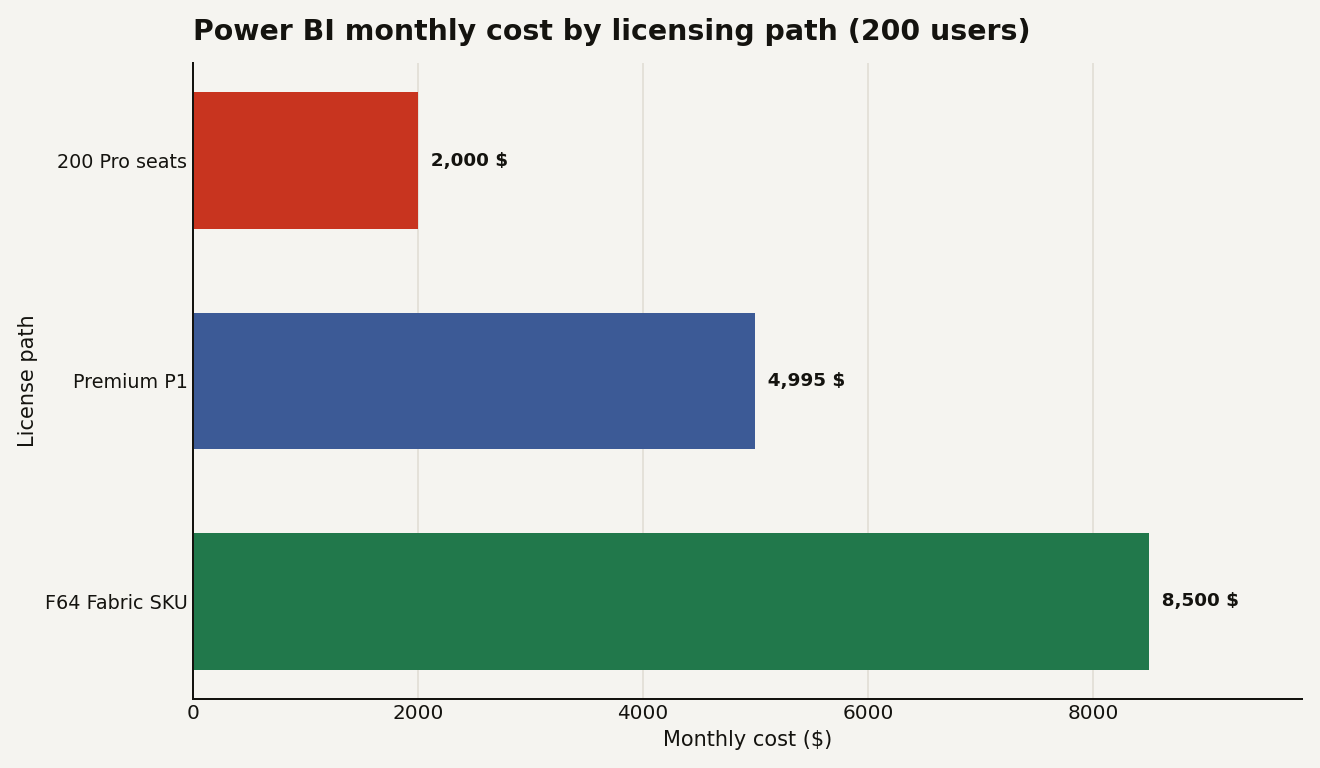
Pro seats, Premium and Fabric SKUs can turn a $10 Power BI tool into a six-figure bill. License and capacity audits are the levers.
Compute credits, storage and serverless drive Snowflake bills. Right-sizing, resource monitors and auto-suspend keep spend predictable.
FinOps is the practice of making cloud and SaaS spend visible and accountable, so the teams that run up a bill can also see it and control it. Most FinOps writing stays at the level of principles. This section works at the level of a monthly invoice.
Each guide takes one platform that data teams pay for, such as AWS, Snowflake, Matillion, GitHub, Postgres, or Power BI, and covers three things: what to measure, which settings move the bill, and where AI agents can help without creating a new cost line of their own. The numbers come from the vendors' published pricing pages and the FinOps Foundation framework, and the guides work through example bills so you can redo the sums with your own usage.
The responsible editor, Lars Cornelissen, manages platform cost as part of his work as a data engineer at Alliander, running Snowflake and Matillion on AWS. Guides that draw on that experience mark it in an editor's note.
What you will find here:
Prices change, and the publication date on each guide tells you when its numbers were taken. If a rate here is out of date, the contact page lists the corrections address, and the fix is logged publicly. The filters above group the guides by platform.
From the Data Today newsroom
These guides are part of Data Today. Read the wider data & AI coverage on the main site.
Go to Data Today