Research
LLM instruction following collapses past 6 constraints
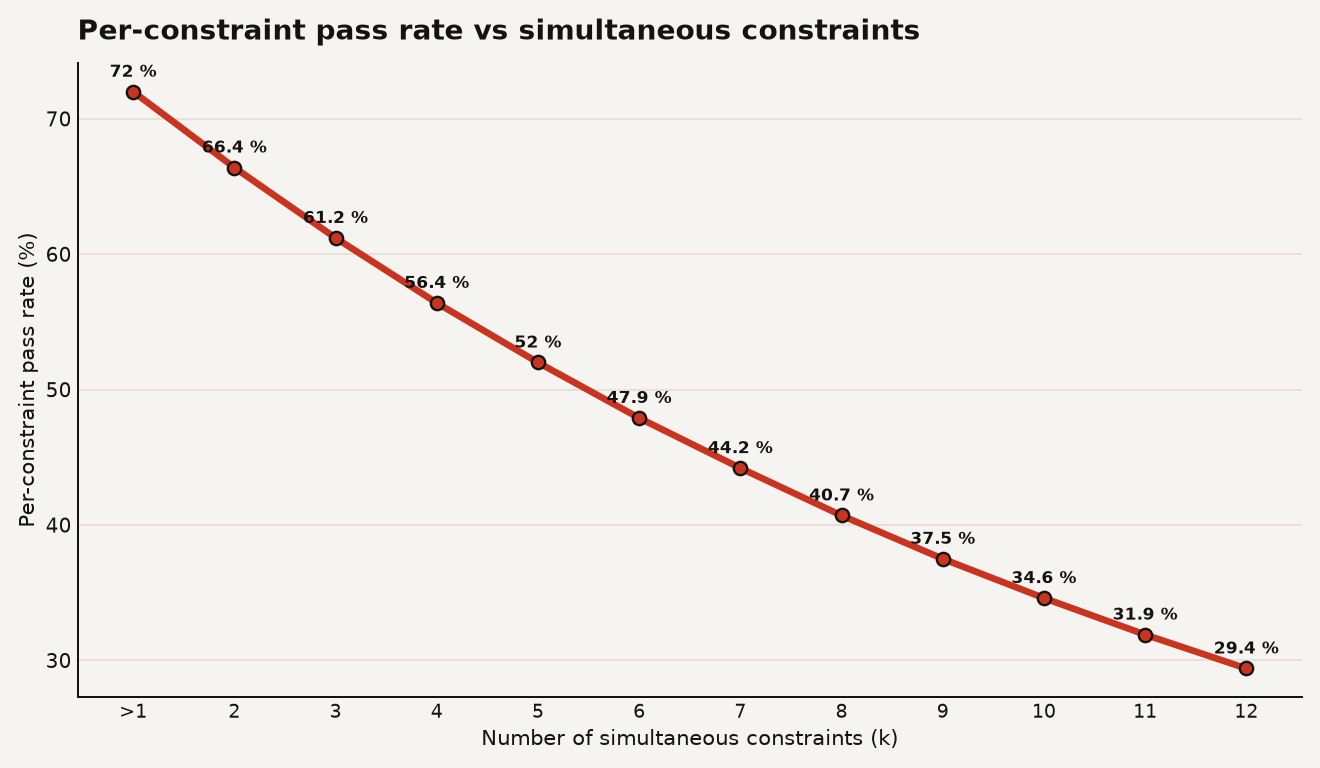
LLM instruction following breaks past 5 to 6 simultaneous constraints. Per-constraint pass rates decay at 72% times 0.922 per step, probe success below 2% by k=9.
9 stories tagged evaluation.
LLM instruction following breaks past 5 to 6 simultaneous constraints. Per-constraint pass rates decay at 72% times 0.922 per step, probe success below 2% by k=9.
The Format Sensitivity Index measures how LLM benchmark scores shift when prompt wrappers and schema constraints change. The metric exposes a blind spot in model evaluation that developers ignore at their peril.
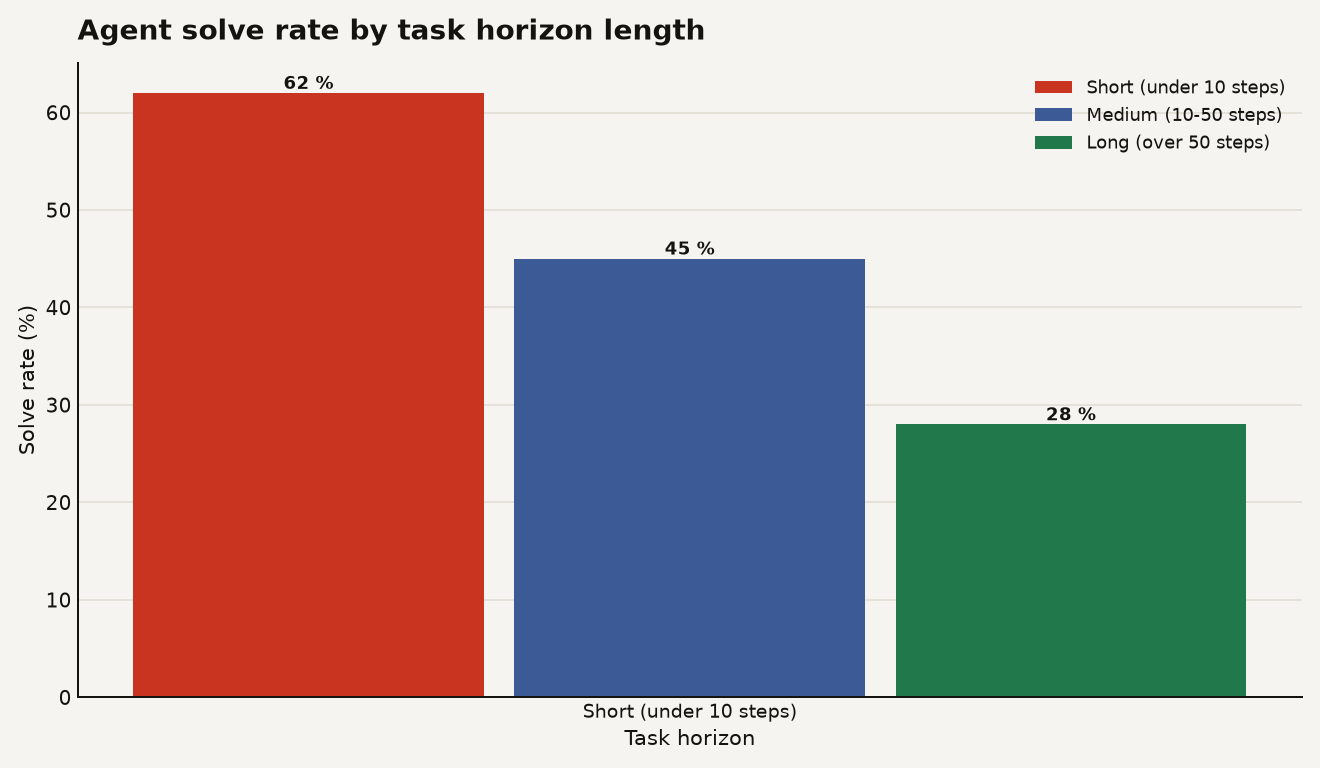
Long-Horizon-Terminal-Bench tests AI agents on multi-step terminal tasks with dense reward grading. Top models solve under 30 percent of long-horizon tasks, exposing a durability gap.
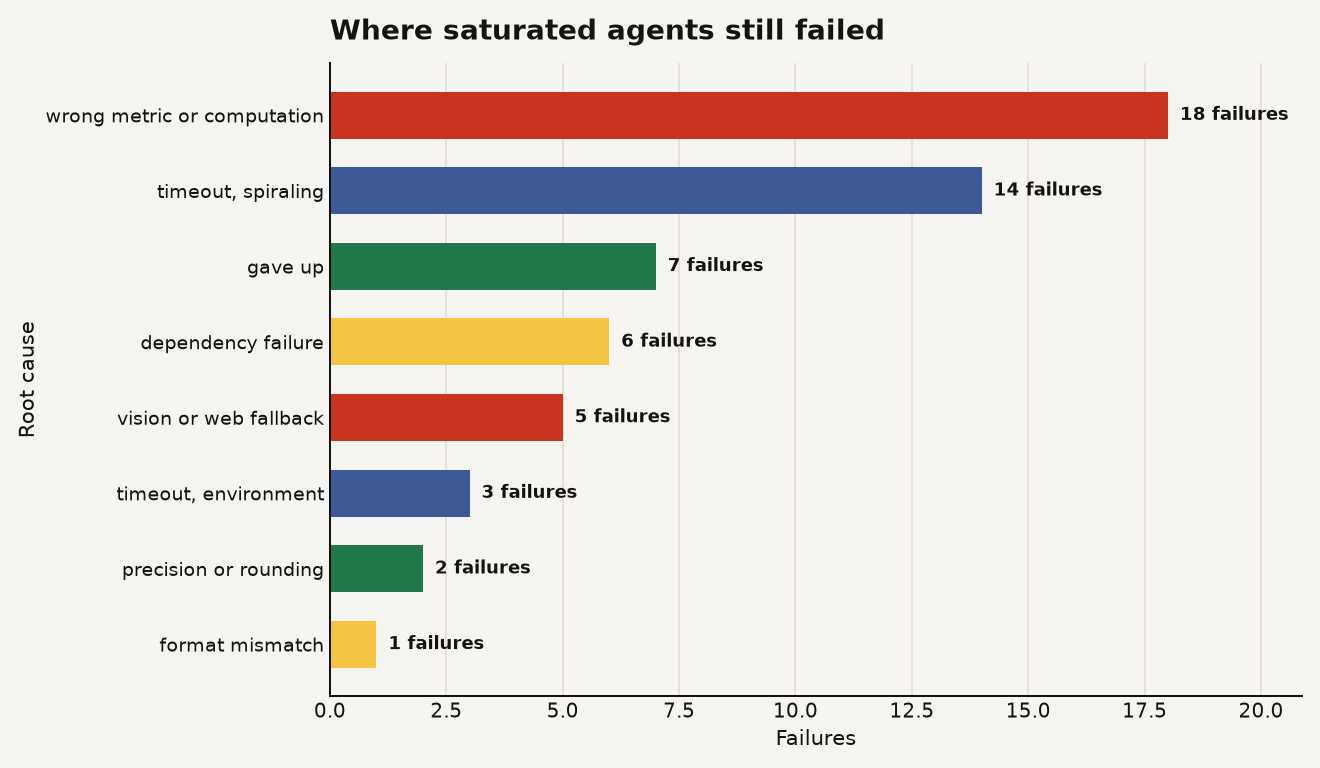
When top agents cluster at ceiling scores, benchmark saturation moves the useful signal to cost, reliability and uplift, CORE-Bench shows.
Famous skincare brands were recommended 100 percent of the time in a new arXiv study, a measurable LLM recommendation bias toward incumbents.
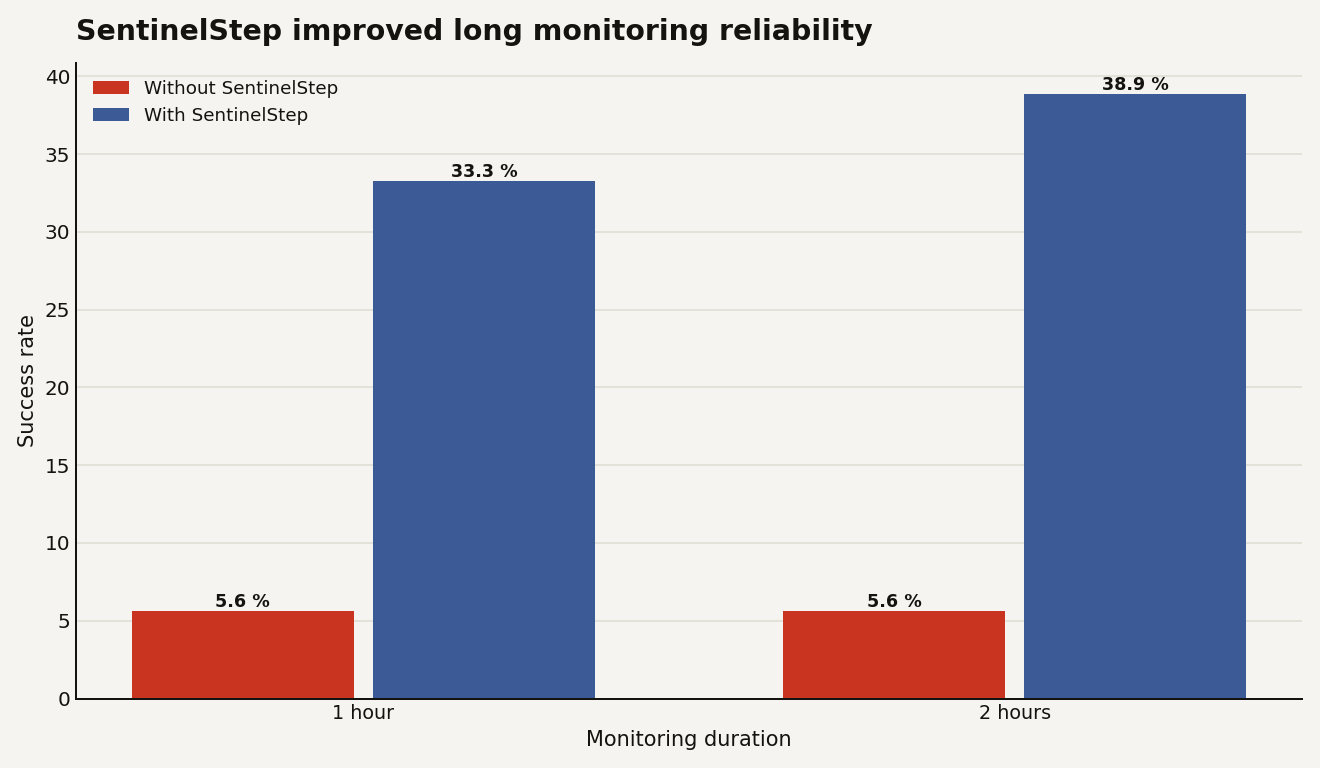
With 100 tasks for monitoring agents, SentinelBench tests patience, latency and tool spend before you ship an agent that has to wait.
Amazon says revising labels before grading lifted expert accuracy from 60.8 to 90.9 percent. Audit then score turns AI ground truth into a process.
Multi-agent debate hurt generation by up to 15.5 points in data cleaning, but a grounded critic rescued detection and repair.
The gap between the best AI models and the rest is collapsing, and aggregate benchmark leaderboard scores now hide more than they reveal.